01Pick the spot first
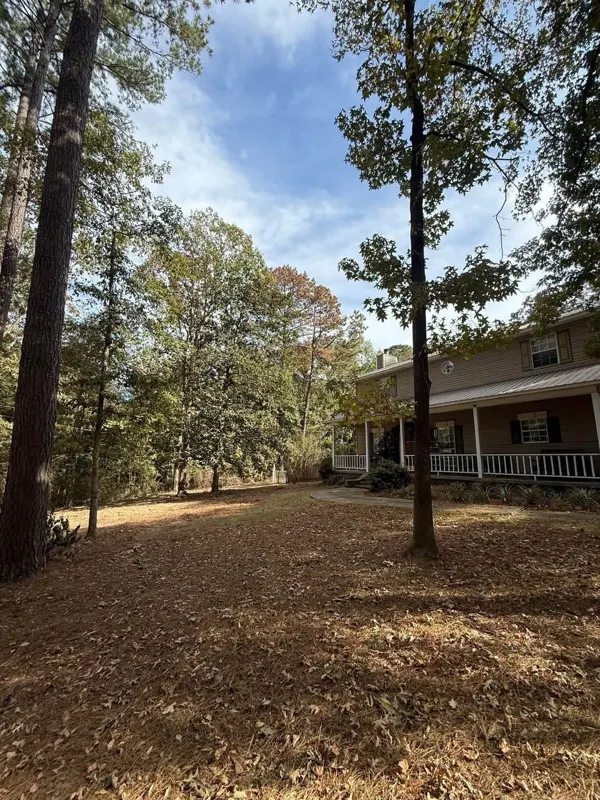
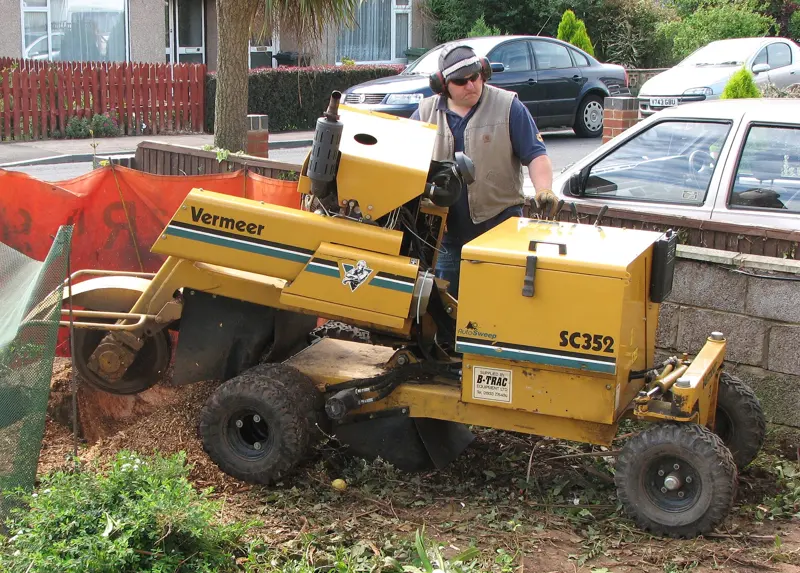
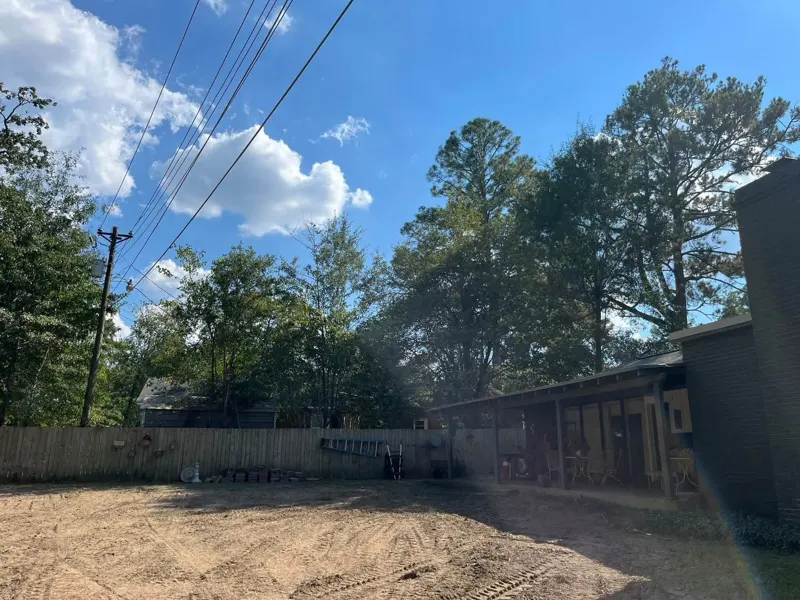
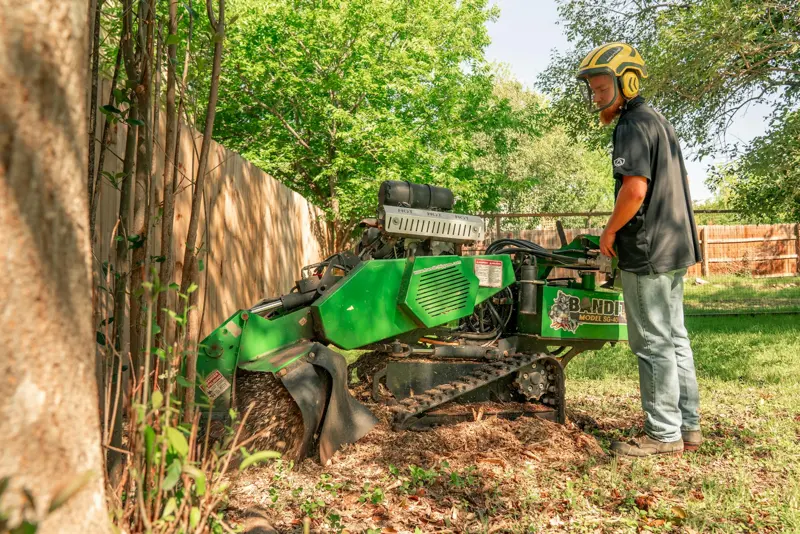
Look up for lines, out for roofs and drives, and down for buried utilities; call 811 before digging. Leave room for the mature crown, not the size at planting. If an old stump is in the way, stump grinding clears the site first.
02Planting it right
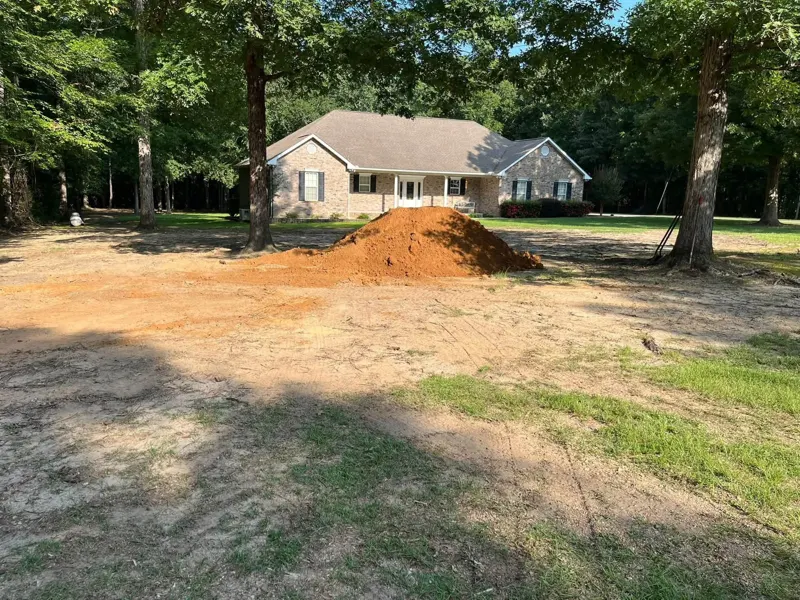
The hole should be wide but no deeper than the root ball, with the root flare sitting at or just above grade. Circling roots are teased out, the hole is backfilled with the native soil, and a ring of mulch goes on without touching the trunk.
03First years
New trees need regular deep watering through their first summers, especially in dry spells. Early structural pruning helps prevent weak forks later.
04Choosing a species
Pick for the space and the ground. Thin, rocky soil over limestone is common around Springfield, so ask about species that cope with dry summers and heavy clay pockets. Mix kinds rather than planting a whole street of one tree, so a single pest or disease cannot take them all; the Missouri Department of Conservation publishes native tree lists worth reading.
05Container, balled or bare root
Container trees are easy to handle and plant through much of the season. Balled-and-burlapped trees are larger and heavier, and the wire basket and burlap around the top of the ball are usually cut away at planting. Bare-root stock is cheaper and light but must go in while dormant and be kept moist.