Ozarks trees, Ozarks weather
Springfield sits on the Springfield Plateau, level to rolling ground over limestone; the caves at Fantastic Caverns north of town show what lies underneath. Soils over that rock are often thin and stony, so roots spread wide rather than deep. Mature hardwoods, pines and fast-growing yard trees share neighborhoods across the city.
The climate is humid subtropical, with January averaging about 34°F and July about 79°F. Around 40 days a year reach 90°F, roughly 44.7 inches of precipitation fall, and about 13.7 inches of snow arrive in an average winter. Spring thunderstorms, summer heat and winter ice each stress trees differently, which is why emergency storm tree service calls cluster after big weather.
Seasons and timing
Late fall and winter, when leaves are down, are good months for most pruning and removals: the crew can see structure, and the ground is often firmer for equipment. Spring is when storm damage and weak unions show up. In summer drought, watch for scorched leaves and dieback and consider a tree health assessment before deciding a tree is lost.
Ice and wet snow load limbs heavily; trees with codominant trunks or past topping cuts tend to break first.
What we can help with
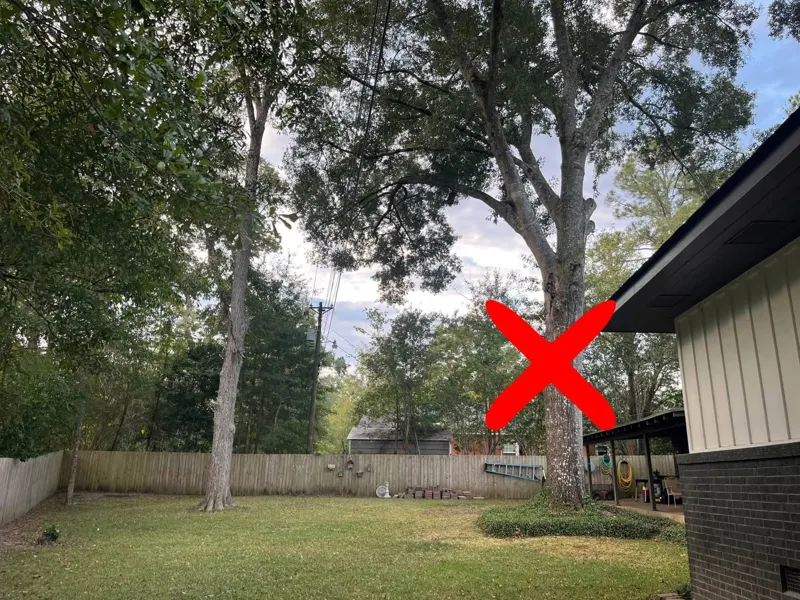
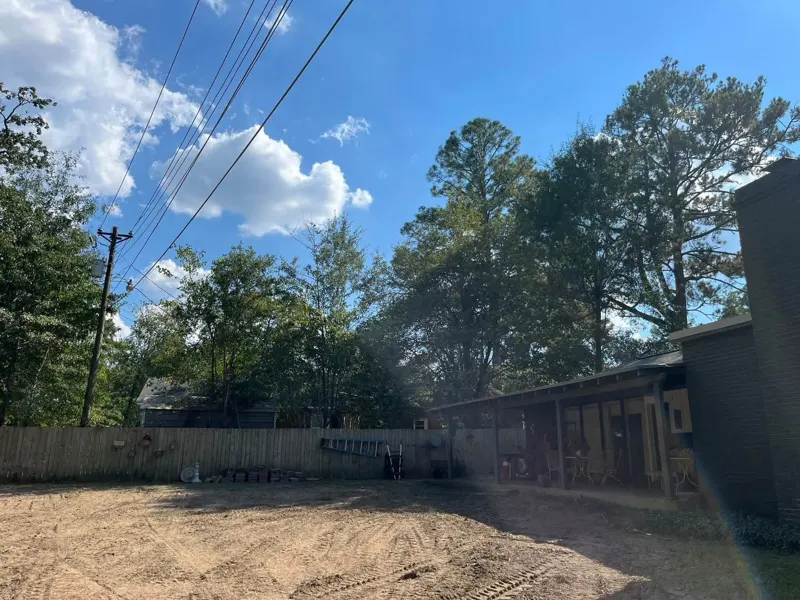
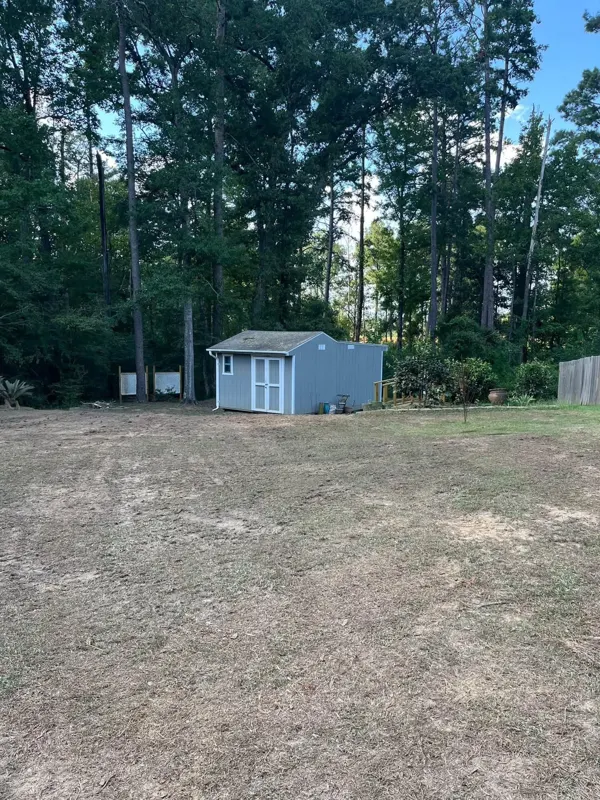
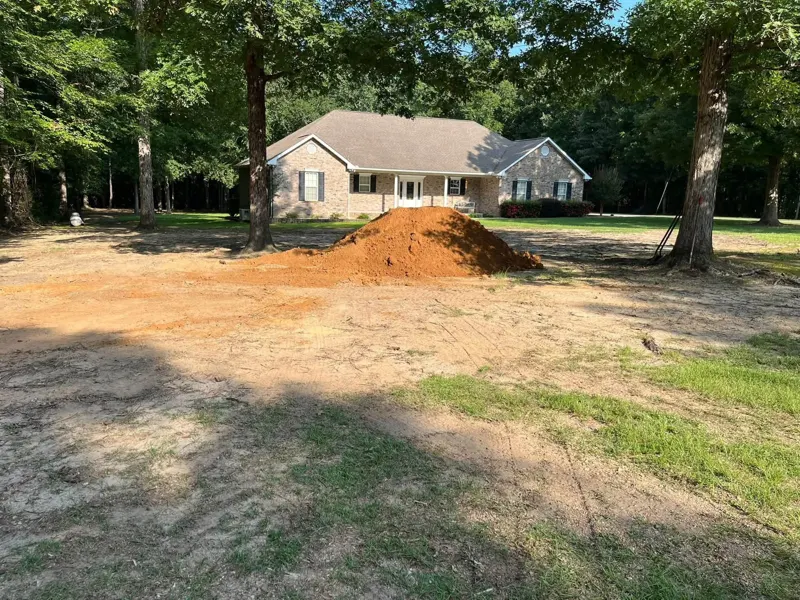
Requests range from tree removal near houses and lines to tree trimming and pruning, stump grinding and land clearing for new yards. Nearby towns like Nixa, Ozark and Republic are covered too.
How to choose a tree crew
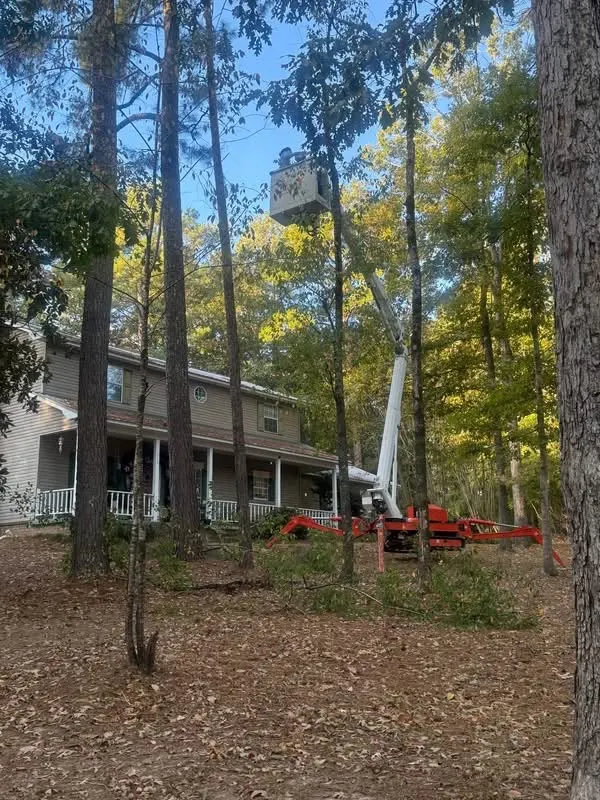
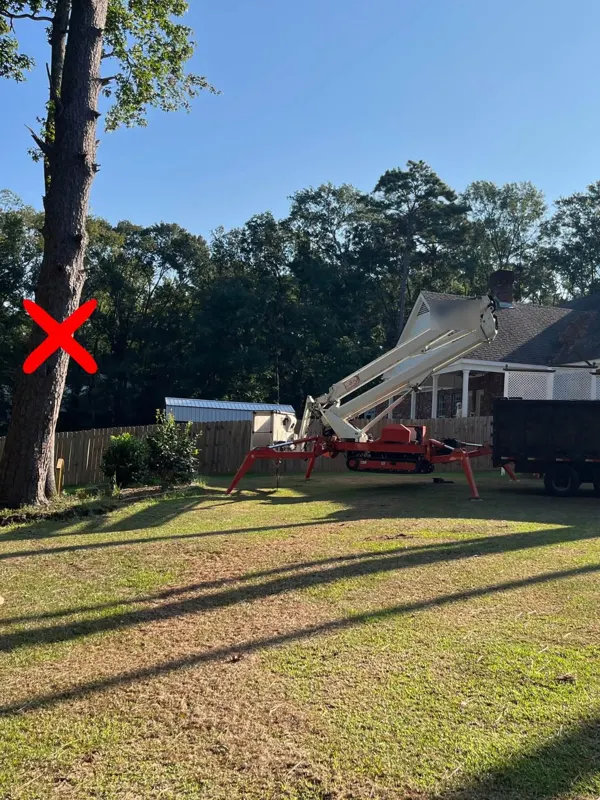
Ask for proof of liability and workers' compensation insurance, a written scope (which trees, how much is cut, whether wood, brush and stump are removed), and how the crew protects your lawn, fence and roof. Ask whether they climb, use a lift or a crane for big removals.
Red flags: door-knockers after a storm demanding cash up front, anyone recommending topping, climbing spikes used on trees being pruned rather than removed, and quotes with no written scope. Our tree removal cost guide for Springfield explains what changes the price.
Act now or monitor
Act soon on a tree leaning more than before, cracks or cavities in the trunk, mushrooms at the base, dead limbs over a roof or driveway, or branches touching power lines (call the utility for line contact). Minor deadwood or a slow-growing lean you have watched for years can usually wait for a scheduled visit.
Frequently asked questions
Is this a tree company?
No. We are a referral service; independent local crews quote and do the work.
Who handles trees on power lines?
The electric utility handles lines; never trim near energized lines yourself.
Do I need a permit?
Most private yard work does not, but check HOA rules and any city requirements for street trees.
Work reviewed by Jonathen Green
Real photos from tree jobs. Locations are not identified.