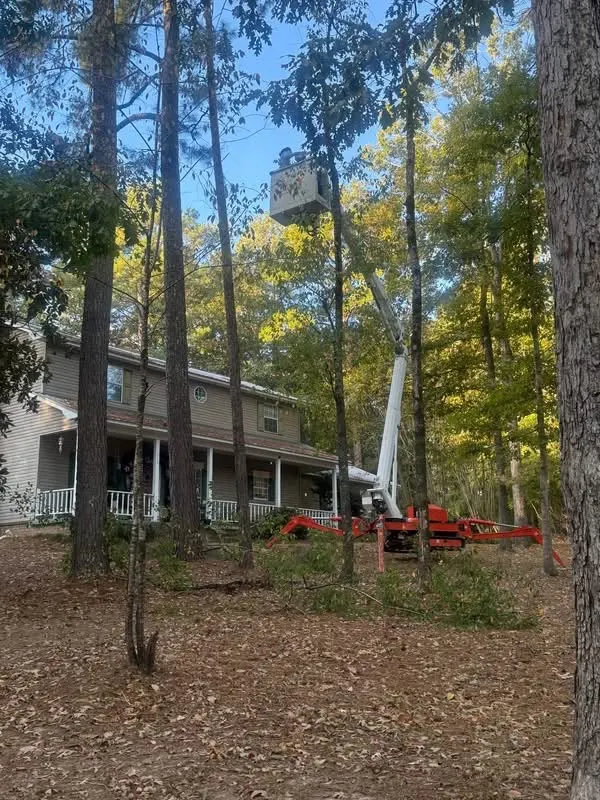
01The process
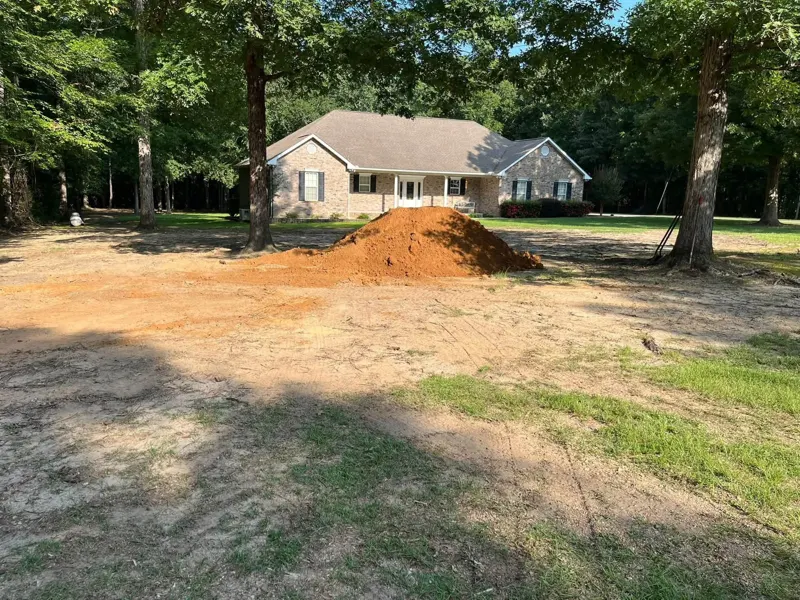
Utilities are marked, the grinder cuts the stump several inches below grade, and chips are either left as mulch or hauled away. Surface roots can be ground too. One of our photos shows a yard with fresh soil after grinding.
02Rocky ground
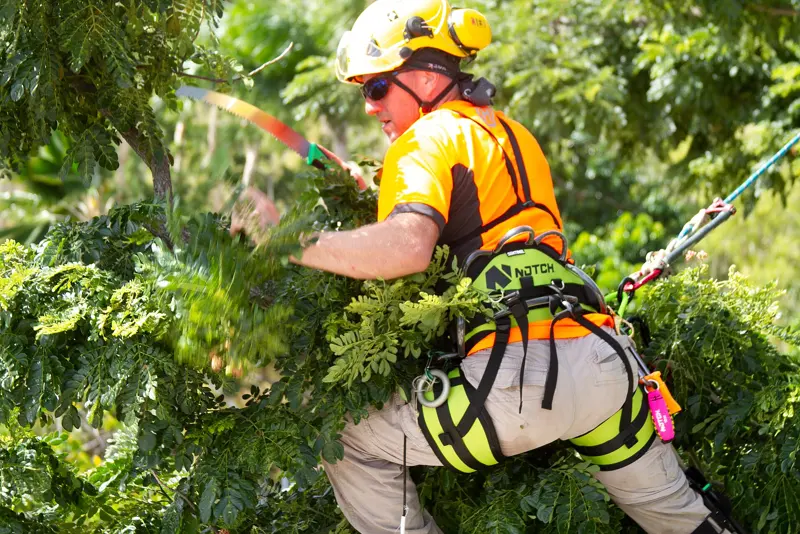
Ozarks soil often holds rock around roots, which slows grinding and wears teeth. Crews may price rocky stumps higher.
03After grinding
Fill with topsoil and seed. Chips break down over time. Pair with tree removal.
04Grinding depth and cleanup
Ask how deep the grinding goes and whether chips are removed. Utilities should be located before grinding.
Process timeline
How stump grinding goes
- 1
Locate lines
Utility marking is requested before digging.
- 2
Clear the area
Rocks and debris moved.
- 3
Grind
The grinder cuts below grade.
- 4
Clean up
Chips raked or hauled.
Grind or remove
Grinding versus full stump removal
Left in the ground to rot
Main roots pulled
Small
Large hole
Lawns and beds
Building or paving over
Cost factors
What changes a stump price
| Factor | Why it matters |
|---|---|
| Diameter | Bigger stumps take longer. |
| Access | Gates and slopes. |
| Roots above grade | More grinding. |
| Cleanup | Chips left or hauled. |
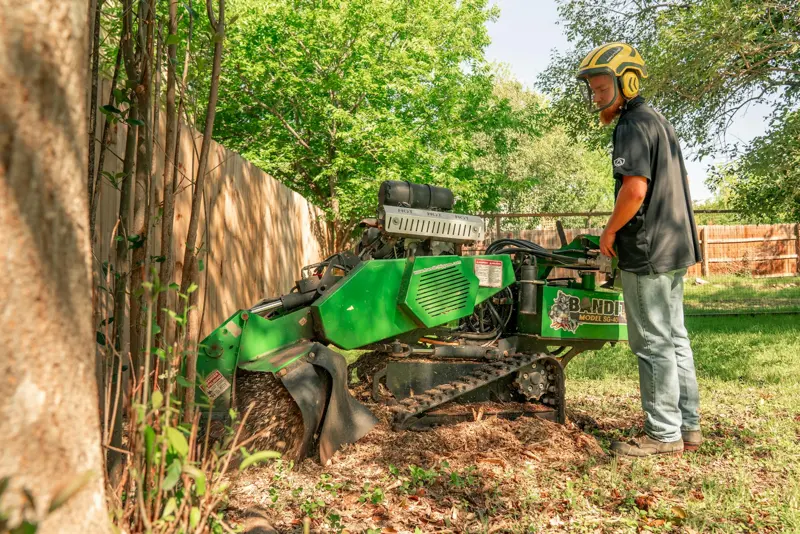
What is left behind
What you have after grinding
Wood chips
Good mulch or fill.
Shallow hole
Settles as chips break down.
Surface roots
May need extra grinding.
Room to replant
Off to one side of the old stump.
Stump grinding near Springfield
Springfield-area factors
Chert and limestone
Rocky soils slow grinding and wear teeth. Rock near the stump can change the time needed.
Missouri 811
Utilities should be marked through Missouri 811 before grinding below grade.
Sprouting species
Some trees, like silver maple and sweetgum, sprout from roots. Grinding deeper helps.
Sinkhole areas
Grinders are heavy. Near karst depressions, crews choose access carefully.
Tight gates. Narrow grinders fit through standard gates in many backyards.
Decision help
Making the call
Grind
For lawns, beds, or areas you want to replant.
Leave it
In woods or a back corner where it will rot slowly.
Remove roots
For hardscape or a foundation, ask about root removal along with grinding.
Cost drivers
Stump diameter, how many stumps, access, rock and how chips are handled.
Timing
Grind right after removal, or later if access needs dry ground.
Before you hire
What to ask
Depth. Ask how deep the grinding goes below grade.
Chips. Ask whether chips are removed or left in the hole.
Surface roots. Ask whether surface roots are ground too.
Locates. Ask who calls 811 before work.
Decision help
Signs a stump should go now
- Sprouts keep coming back Some species send up suckers from the stump and roots for years. Grinding removes the base that feeds them.
- Trip and mower hazard Stumps hidden in grass break mower blades and trip people. Grinding below grade lets the area be leveled and seeded.
- Decay and insects Rotting stumps can attract carpenter ants and termites. If a stump is close to the house, grinding it removes that food source.
- Planned project Patios, fences and gardens go in easier once stumps and major surface roots are ground out.
- Cost factors Diameter at ground level, number of stumps, access through gates, slope, rock, and whether chips are hauled.
Cost drivers
What changes the price (no set rates)
Diameter. Measured at ground level, including root flare. Prices are set by the crew after seeing the job.
Count. Several stumps on one visit cost less each.
Rock. Chert near the surface slows grinding.
Cleanup. Chips raked out, backfilled, or hauled.
Signs to act now
When to call sooner
Fresh stump after a removal
Grinding right away is often easiest while the crew and equipment are already on site and the wood is sound.
Stump near the foundation
Decaying stumps beside the house can attract insects, which is a reason not to wait.
Stump in a future garden bed
Grind before amending soil, since chips and roots tie up nitrogen as they break down.