01Types of pruning
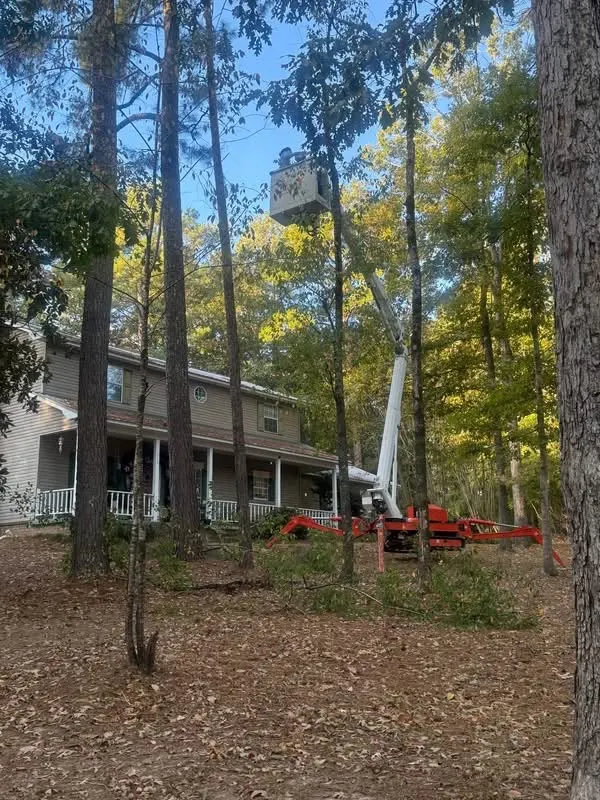
Crown cleaning removes dead, broken and crossing branches. Thinning reduces wind load. Raising lifts limbs over roofs, driveways and sidewalks. Structural pruning on young trees prevents weak forks later.
02Timing
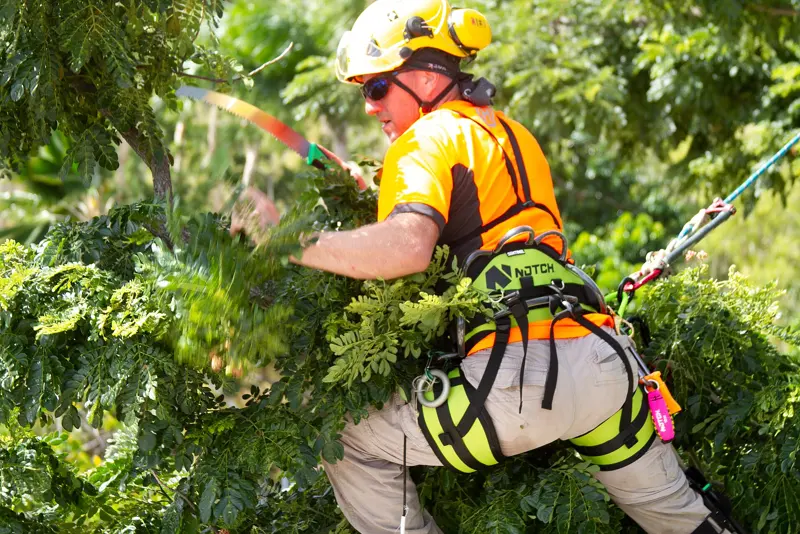
Dormant season pruning is easy on most trees. Oaks are often pruned outside spring and early summer to lower disease risk; ask your crew.
03Avoid topping
Cutting a tree back to stubs causes weak, fast sprouts and decay. If someone suggests it, find another crew. Shrubs need different care; see shrub care.
04Good pruning vs bad
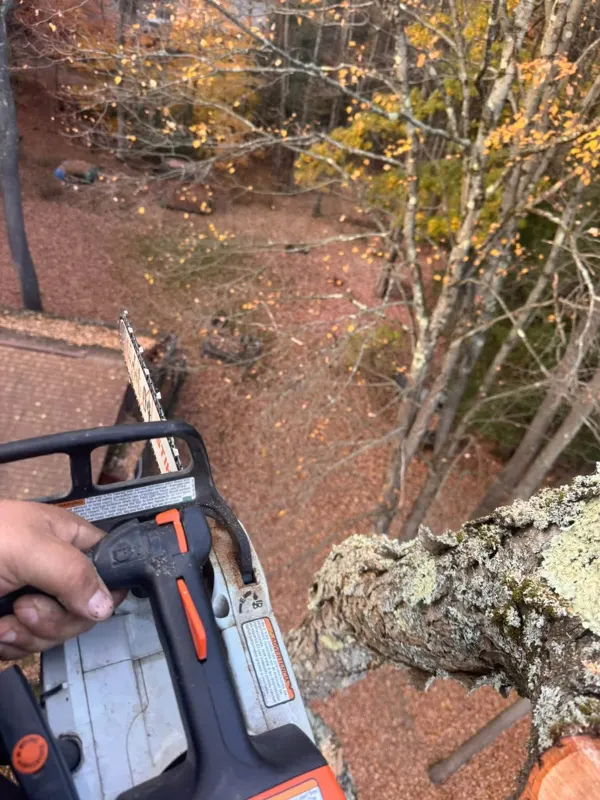
Proper cuts are made at the branch collar. Topping a tree weakens it and is avoided by reputable crews.
Pruning calendar
When common trims usually happen
| Season | Typical work |
|---|---|
| Late winter | Structural pruning while dormant |
| Spring | Avoid heavy cuts during leaf-out |
| Summer | Clearance and dead wood |
| Fall | Light trims, storm prep |
Pruning in southwest Missouri
Springfield-area factors
Oak wilt timing
Missouri guidance is to avoid pruning oaks in spring and early summer, when sap beetles that carry oak wilt are active. Late fall and winter are safer.
Ice storm prep
Ice storms, like the one in January 2007, break long limbs and weak forks. Pruning before winter lowers the load.
Young subdivision trees
Fast-growing yards in Nixa, Ozark and Republic have trees at the age when structural pruning works best.
Roof and gutter clearance
Limbs touching shingles wear them and drop debris into gutters. Clearance pruning lifts them back.
Line clearance
Trees near service drops are often trimmed by the utility. Crews will not cut near energized lines without the utility.
Decision help
Making the call
Crown cleaning
Removing dead, dying and broken branches. This is the most common pruning and lowers storm risk.
Crown raising
Removing lower limbs to clear walks, drives, roofs and views.
Crown reduction
Shortening limbs to side branches to lower height or weight. Not the same as topping.
Structural pruning
On young trees, picking one leader and spacing main limbs to avoid weak forks later.
When not to prune
Avoid heavy pruning of stressed trees in drought, and avoid oak pruning in spring and early summer.
Before you hire
What to ask
Cut method. Ask whether cuts are made at the branch collar and whether they follow ANSI A300 pruning standards.
No topping. Ask the crew to confirm they do not top trees.
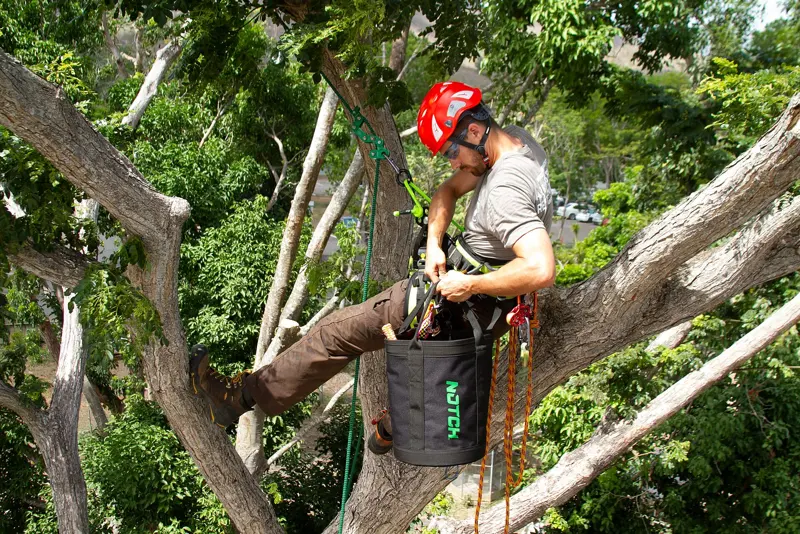
Climbing spikes. Ask that climbing spikes are not used on trees that are staying.
Amount removed. Ask how much live canopy they plan to remove.
Signs
Signs a tree needs pruning now
- Limbs on the roof Branches rubbing shingles wear them and give squirrels access to the attic.
- Dead wood over walks Dead limbs fall without warning; remove them before the next storm.
- Weak forks Tight V-shaped forks with bark between them split under load and should be corrected early.
Cost drivers
What changes the price (no set rates)
- Tree size
- Taller trees need climbers or lifts. Prices are set by the crew after seeing the job.
- Targets
- Roofs, lines and fences below slow the work.
- Amount
- Deadwood only versus full crown work.
- Cleanup
- Chipping and haul-off of brush.
Signs to act now
When to call sooner
- Branches near service lines Contact your utility; do not prune near lines yourself.
- Sprouts after topping A tree topped years ago grows dense, weakly attached sprouts that need thinning before they get heavy enough to break.