- 1995Median year homes were built, Willard (ACS)
- GossMost extensive soil series, Greene County (NRCS)
- 44.7 inYearly rain, Springfield (NOAA normal)
- 10 mi northwest of SpringfieldStraight-line distance
Ground and housing
What is under Willard homes
Greene County soil mapping is led by the Goss, Wilderness, Wanda series. Ask your crew which one sits under your lot before they quote. Census estimates put the median Willard home's build year at 1995, which helps you guess what original materials you have. Before structural or permitted work, check the requirements with the local government: http://www.cityofwillard.org/
Services here
What we handle in Willard
01Rural edges
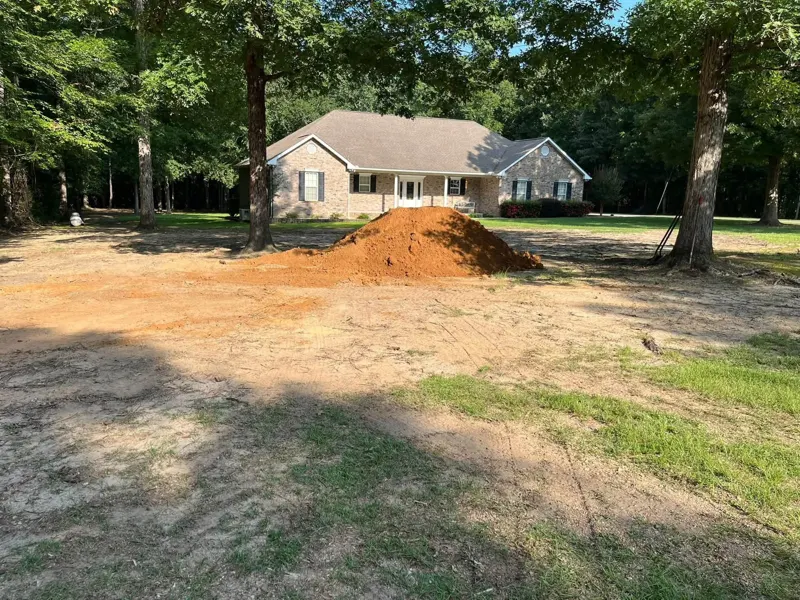
Fence lines and pasture edges overgrow. Land clearing is a common job.
02Tip
Clear fence lines in winter.
03Willard on US 160
Willard lies northwest of Springfield along US 160 with rural and suburban lots.
Willard, northwest Greene County
What shapes tree work here
Along Olympian Boulevard
Willard was founded in 1884 and its main road, US 160, is called Olympian Boulevard. Trees along older streets in town are mature; newer neighborhoods spread out from the highway.
Fast growth on the northwest side
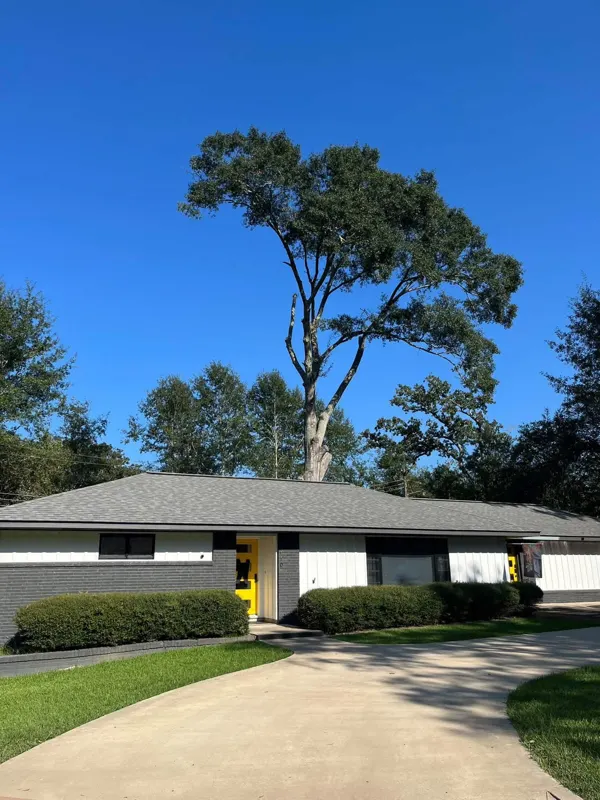
Willard has grown quickly, so many yards have young trees. Early pruning sets good structure while they are small.
Prairie-edge farm land
Rural properties around Willard include fencerows of cedar, osage orange and hackberry that crowd fences and pastures.
Open-ground wind
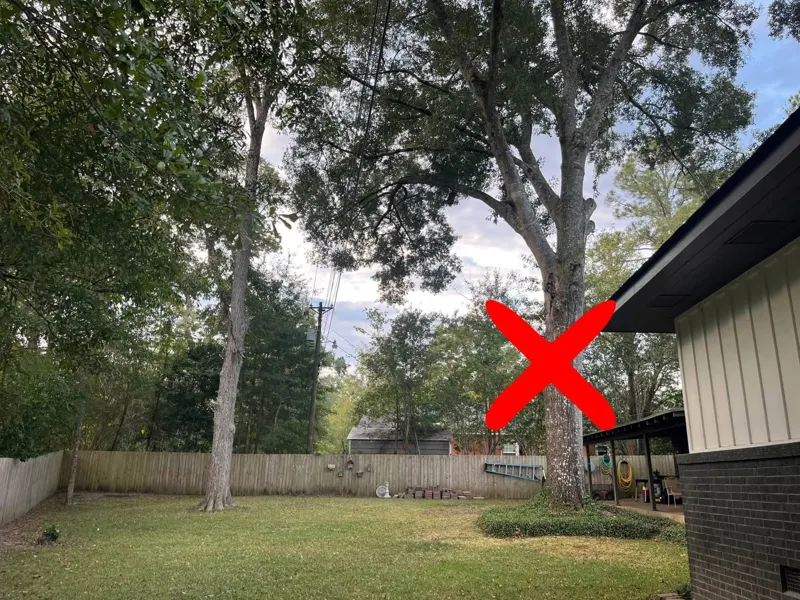
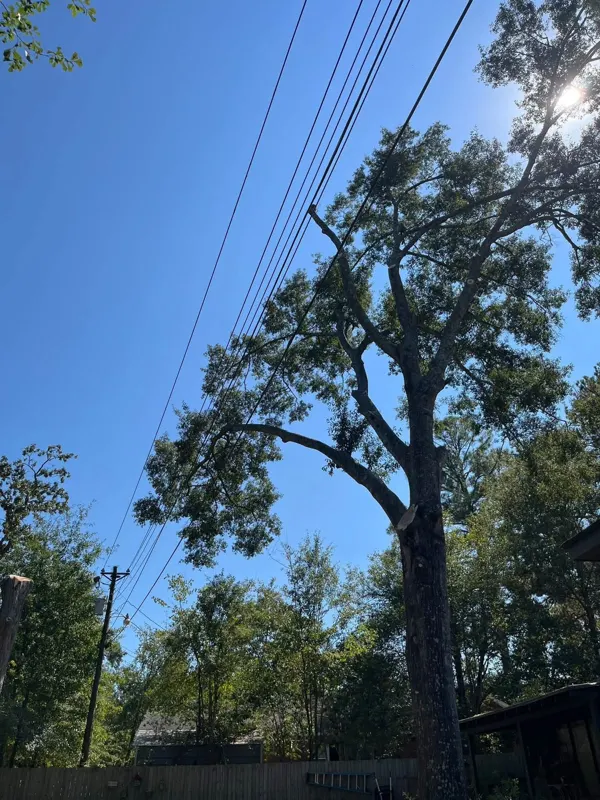
Trees in open yards on the edge of town catch strong storm wind. Weak forks and long limbs fail first.
Karst ground
Greene County sits on karst with sinkholes. If a tree is near a depression, mention it, as ground there can shift.
Decision help
Remove, prune or leave it?
Osage orange or cedar in a fencerow
These are tough and thorny. Clearing a fencerow is usually done with a saw crew and a skid steer or mulcher.
Young tree with two competing leaders
Remove one leader now while the cut is small. This is the cheapest pruning you will ever do.
Tree beside a sinkhole
Do not drive heavy equipment near it. Ask the crew to work from stable ground.
Storm-bent tree
Small trees sometimes straighten with staking; large ones with lifted roots usually need removal.
Questions for a Willard crew
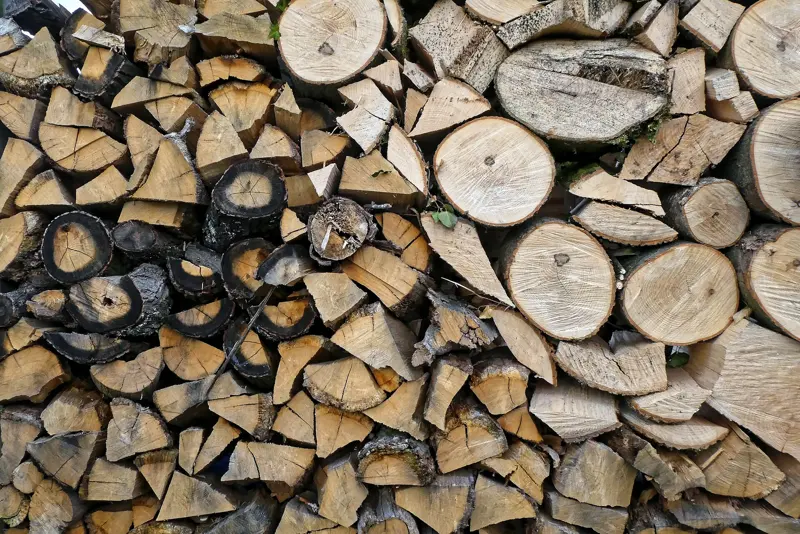
Ask how far the crew travels, whether brush is hauled or chipped, and if they will separate firewood.
Signs to act now
Willard warning signs
- Split trunk after wind
- Open splits on yard trees in open ground rarely close and usually get worse in the next storm.
- Limbs over Olympian Boulevard sidewalks
- Overhanging limbs on busy frontage should be raised for clearance.
- Ground sinking near a tree
- A small depression appearing near a tree on karst ground should be reported before any work.
- Thin, yellowing canopy
- Heat and drought stress show first as thin canopy; have a valued tree checked.
Access notes
Help the crew plan a Willard visit
Highway frontage. Work near US 160 may need cones and a spotter, so mention if the tree is by the road.
Shared drives. Let neighbors know when a shared drive will be blocked by trucks.
Photos