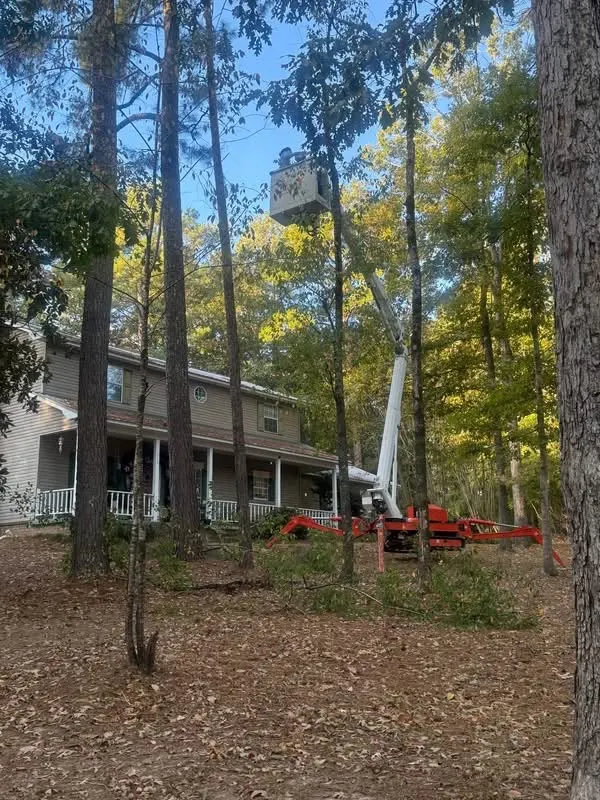
01What is hauled
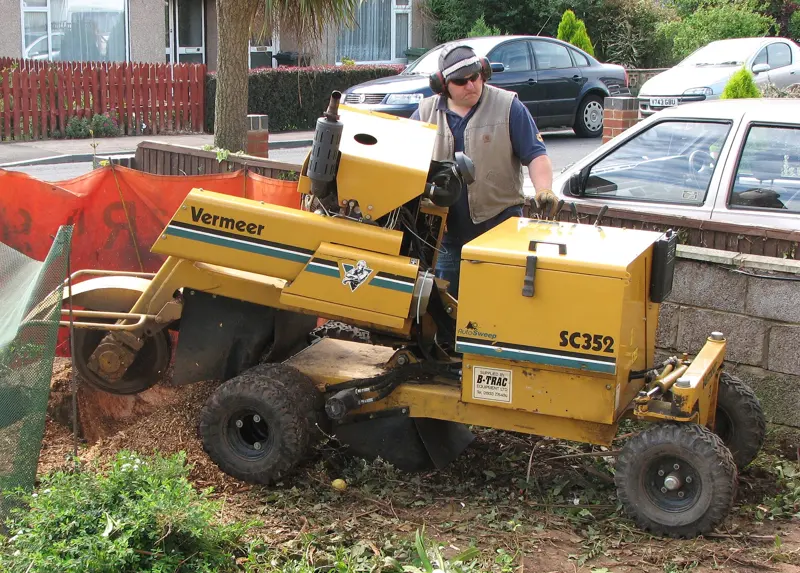
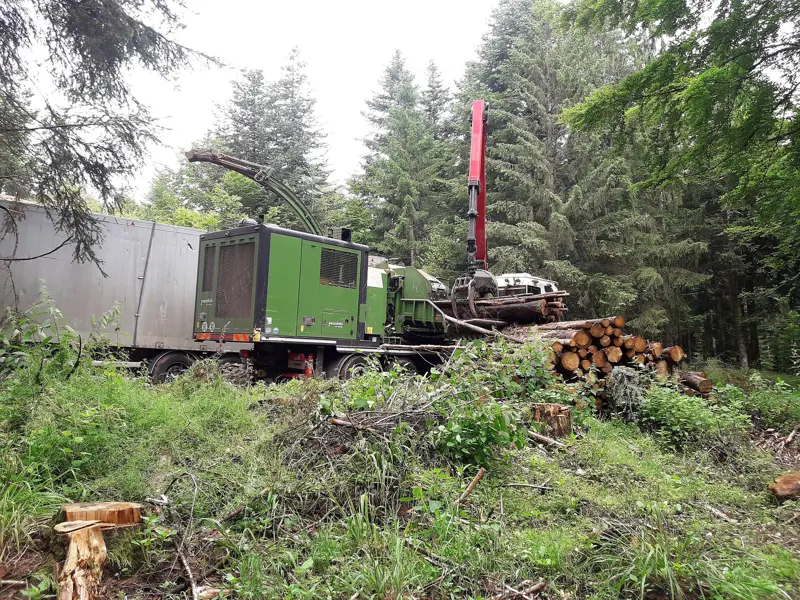
Brush, limbs, logs, leaves and stump chips. Crews chip brush on site and load logs.
02Keep or haul
You can keep firewood or chips for mulch. Ask about pricing differences.
03After storms
Cleanup often follows emergency storm tree service.
04What gets hauled
Limbs, logs, brush and storm debris.
What we haul
Debris that can go
Limbs and brush
From storms or trimming.
Logs
Cut to manageable size.
Yard waste
Leaves and clippings.
Stumps and roots
After grinding or removal.
Debris in Springfield
Springfield-area factors
Storm debris
After storms, limbs and logs pile up fast.
Yardwaste options
Springfield has a city yardwaste recycling center that accepts brush and limbs. Check its current rules.
Chipping
Chipping on site reduces volume.
Firewood
Logs can be left for firewood.
Access. Truck access affects how debris is loaded.
Decision help
Making the call
Chip on site
For limbs and brush.
Haul
For logs and large piles.
Self-haul
Take small loads to the yardwaste center yourself.
Cost drivers
Volume, distance, access, and log size.
Leave
Logs left in woods can be habitat.
Before you hire
What to ask
- Disposal Ask where the debris goes.
- Logs Ask about log size limits.
- Cleanup Ask about raking and blowing.
- Timing Ask when pickup happens.
Choosing a route
Where Springfield-area tree debris can go
- Chipped and spread as mulch
- Branches up to a few inches thick can go through a chipper on site. The chips make good mulch for beds and paths, and keeping them on the property cuts the volume that has to be trucked away.
- Hauled by the crew
- Logs, root balls and large piles are loaded into a dump trailer or grapple truck. Ask how close the truck can park, because carrying debris across a long backyard adds labor.
- Kept as firewood
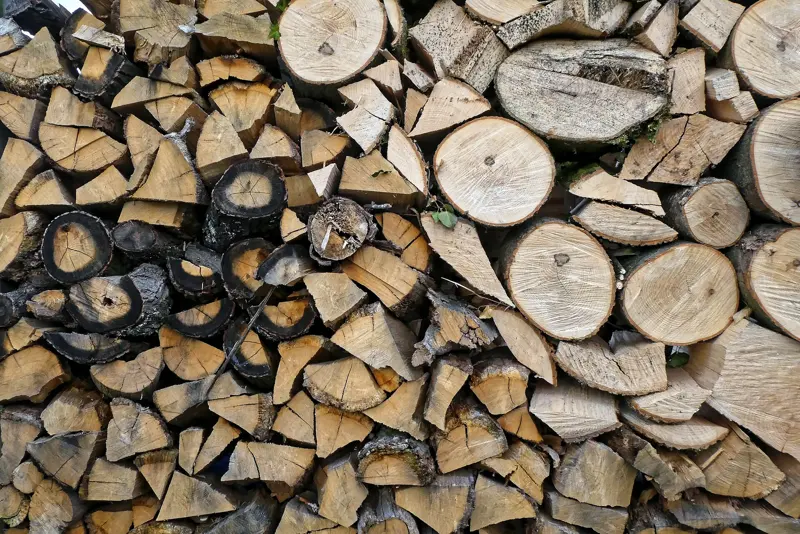
- Oak, hickory and ash split well for firewood. Ask the crew to cut rounds to stove length and stack them away from the house, since woodpiles against siding invite insects.
- Taken to a yardwaste site
- For small loads, the Springfield Yardwaste Recycling Center is an option for homeowners with a truck or trailer. Rules on fees, hours and accepted material change, so check before loading up.
- Ash wood caution
- Because emerald ash borer is present in Missouri, moving ash firewood long distances can spread it. Burn ash locally rather than hauling it to other counties or campgrounds.
Decision help
When haul-off is worth paying for
After a big storm. When several trees come down at once, the piles can be bigger than a homeowner can move. Crews bring loaders and trucks that clear a yard in a day, and quick cleanup lets you see damage to fences and roofs that the debris was hiding.
When access is tight. Debris in a fenced backyard often has to be carried through a gate. Ask whether the crew uses a compact loader or hand-carries, as that changes time and price.
When you can do it yourself. Small limbs from routine pruning can be bundled or chipped and kept. Save the paid haul-off for logs too heavy to lift safely.
Cost drivers
What changes the price (no set rates)
Volume. Measured roughly in truckloads; logs weigh far more than brush. Prices are set by the crew after seeing the job.
Carry distance. How far material moves from the pile to the truck.
Log size. Large rounds may need a loader or splitting.
Disposal. Dump or yardwaste fees where they apply.
Signs to act now
When to call sooner
Piles near the house
Large brush piles against the house shelter pests and are a fire risk in dry weather.
Photos