- 44.7 inYearly rain, Springfield (NOAA normal)
- 13.7 inAverage yearly snow
- 110 daysWet days per year
01Safety first
Stay away from downed lines and report them to the utility. Do not stand under hanging limbs. Photograph damage for insurance.
02What crews do
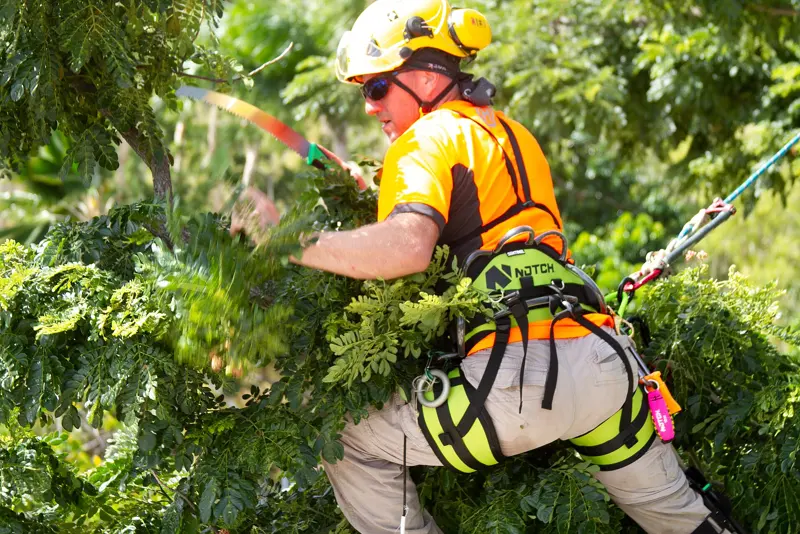
Cut trees off roofs and cars, remove hangers, clear driveways, and tarp-ready the roof for other trades. Large trees on houses may need a crane.
03Avoid storm chasers
Get a written quote and pay after work, not cash up front. Cleanup afterwards may be debris haul-off.
04After a storm
Photograph damage for insurance, stay clear of lines, and keep people out from under hangers.
After a storm
The order to handle storm damage
- 1
Stay clear
Keep away from downed lines.
- 2
Photograph
Take pictures before cleanup.
- 3
Call your insurer
Ask what they cover.
- 4
Request a crew
Hazards first, cleanup second.
Storm response in the Ozarks
Springfield-area factors
Spring and summer storms
Severe thunderstorms with straight-line wind bring the most emergency calls in southwest Missouri.
Winter ice
Freezing rain loads limbs and brings them down on lines and roofs.
Downed lines
Call your utility first. Crews cannot work near live lines.
Tree on the house
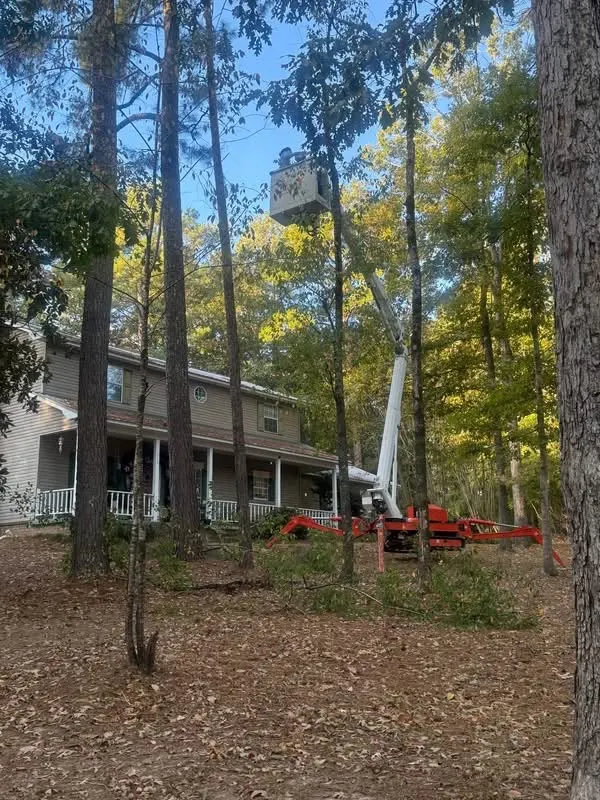
A crane or rigging is often used to lift trees off roofs without more damage.
Insurance
Photograph damage before cleanup and talk to your insurer early.
Decision help
Making the call
Call now
Tree on a house, car, or the only drive; a hanging limb above a door; a tree leaning on another tree.
Can wait a day
A limb down in the open yard with nothing at risk.
Not for you
Trees on power lines or the street right of way. Call the utility or city.
Cost drivers
Size, damage, rigging, night work, cranes, and debris volume.
After
Tarp the roof, check gutters, and look for cracks in remaining limbs.
Before you hire
What to ask
- Response
- Ask when they can arrive and whether they can tarp.
- Billing
- Ask if they bill your insurer or you.
- Scope
- Ask what they will do now and what can wait.
- Proof
- Ask for photos for your claim.
Southwest Missouri storms
How storms damage trees here
Straight-line wind
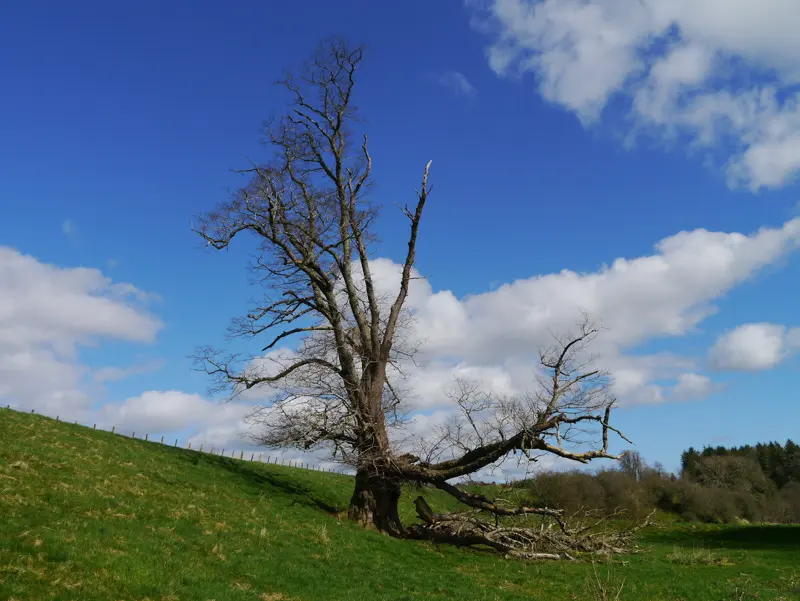
Thunderstorm downbursts push over trees with shallow roots on wet, rocky ground and snap trunks with hidden decay.
Ice loading
Freezing rain adds heavy weight to limbs. Long, unpruned branches and weak forks fail, often onto roofs and lines.
Lightning
Lightning can split trunks and kill trees slowly. Look for a strip of torn bark running down the trunk.
Saturated soil
Several days of rain soften the ground so even healthy trees can tip in moderate wind.
Cost drivers
What changes the price (no set rates)
Hazard level. Trees under tension or on structures need more rigging and care. Prices are set by the crew after seeing the job.
Equipment. Cranes and bucket trucks cost more to bring out.
Timing. Nights, weekends and storm surges can change rates.
Debris. How much wood leaves the site afterward.
Signs to act now
When to call sooner
- A limb hanging in the canopy Hangers can fall at any time, especially in wind; keep the area below closed off.
- A tree resting on another Two trees leaning together store dangerous tension and need rigging to separate.
- Roots torn out of the ground A partly uprooted tree will not reset itself and usually comes down in the next wind.
- A crack in the trunk after the storm Fresh trunk cracks often run deeper than they look and need a crew to judge.