- 44.7 inYearly rain, Springfield (NOAA normal)
- 13.7 inAverage yearly snow
- 110 daysWet days per year
01What is checked
Canopy density, deadwood, bark damage, cavities, fungi at the base, soil compaction and root issues, and signs of pests or disease.
02Common stresses
Summer heat and drought, construction damage to roots, and storm wounds. Emerald ash borer has spread across much of Missouri; ash owners should ask about it.
03Next steps
Pruning, mulching, watering, treatment or removal. Ask for a certified arborist for complex cases. See tree trimming and pruning.
04What an assessment looks at
Canopy density, dieback, trunk cracks, root flare, fungi and insect signs.
What gets checked
What a tree health check looks at
Canopy
Thinning, dieback, leaf color.
Trunk
Cracks, cavities, fungus.
Roots
Soil, grade changes, girdling.
Pests
Signs like D-shaped exit holes on ash.
Tree health in Missouri
Springfield-area factors
Emerald ash borer
Confirmed in Missouri. Ash trees decline fast once infested.
Oak wilt
A fungal disease of oaks; red oaks die fast.
Drought stress
Summer drought weakens trees and invites pests.
Decay
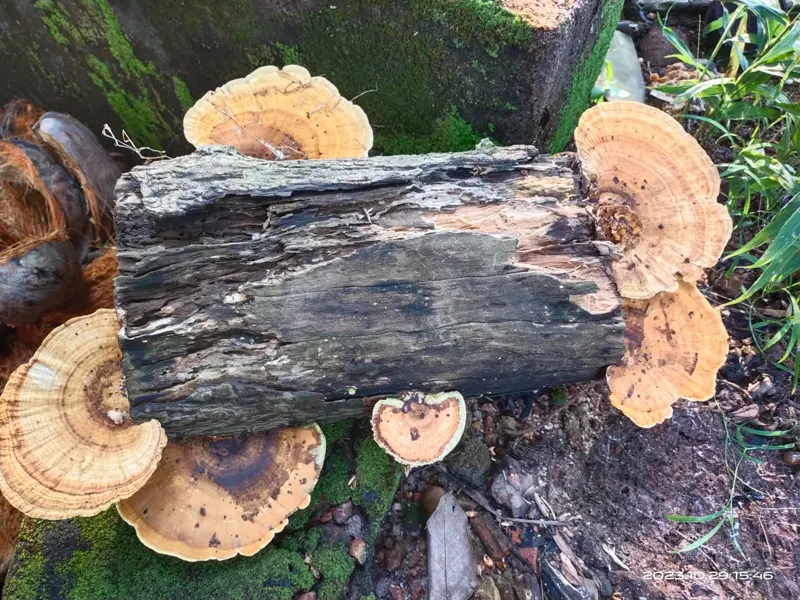
Fungi at the base and cavities mean internal decay.
Construction damage. Root loss from digging can show up years later.
Decision help
Making the call
Keep
Healthy canopy, sound trunk, and stable roots.
Treat
Early pest signs where treatment may help.
Prune
Deadwood and weak limbs on a sound tree.
Remove
Advanced decay, root failure, or extensive dieback.
Monitor
Minor issues that should be checked again next season.
Before you hire
What to ask
- Who
- Ask if an ISA certified arborist will do the assessment.
- Tools
- Ask what tools they use to check decay.
- Report
- Ask if you get a written summary.
- Options
- Ask for treatment and removal options.
What gets checked
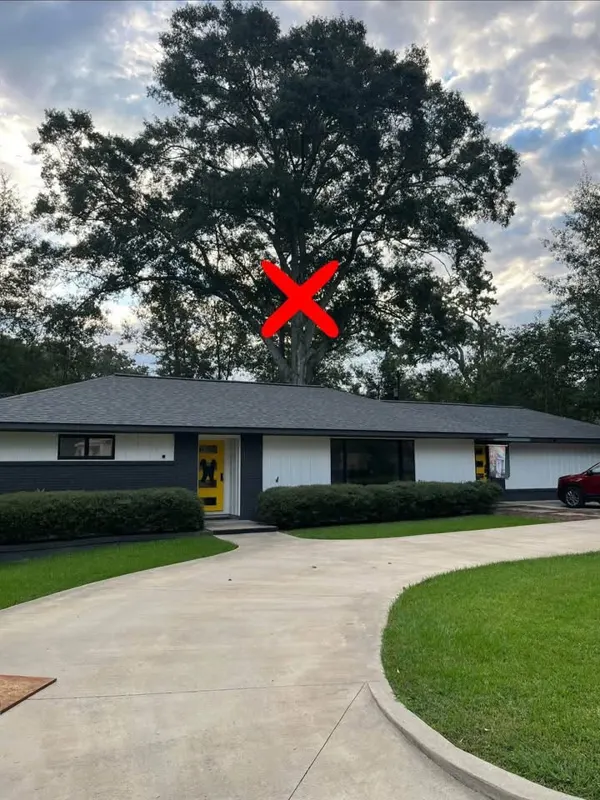
An assessment on a Springfield-area tree
Crown and leaves. Thin canopy, early fall color, small leaves and dead tips point to root or trunk problems, drought stress, or insects.
Trunk and major limbs. Cracks, cavities, bark falling off and included bark between stems show where a tree may break.
Root flare and soil. Buried root flares, girdling roots, soil compaction and recent digging nearby are common causes of slow decline.
Insects and disease. Signs of emerald ash borer, oak wilt, bagworms on cedars and cankers on trunks are checked against Missouri pest guides.
Decision help
After the assessment
If the tree is healthy
Prune deadwood, add mulch over the root zone, and water in drought. Recheck in a few years.
If it is declining
Find the cause first. Construction damage and drought are common; some decline can be slowed with care.
If it is hazardous
When decay or root failure puts a house or people at risk, removal is the safe option, and the assessment helps support an insurance or HOA decision.
Cost drivers
What changes the price (no set rates)
- Number of trees One tree or a whole lot. Prices are set by the crew after seeing the job.
- Depth Visual check versus decay testing tools.
- Report Written report for an HOA, insurer or buyer.
- Follow-up Treatment visits for pests where useful.
Signs to act now
When to call sooner
Bark falling off in sheets. Large patches of loose bark on a living tree often mean dead wood underneath and should be checked before it drops limbs.
Leaves turning early. Fall color in August on one side of a maple or oak is a stress sign worth a look while treatment is still possible.
Ash with a thinning top. Canopy loss from the top down is the classic first sign of emerald ash borer; treatment only helps early.
Oak wilting in summer. Red oaks can die within weeks of oak wilt symptoms, so a quick check protects nearby oaks.