01Methods
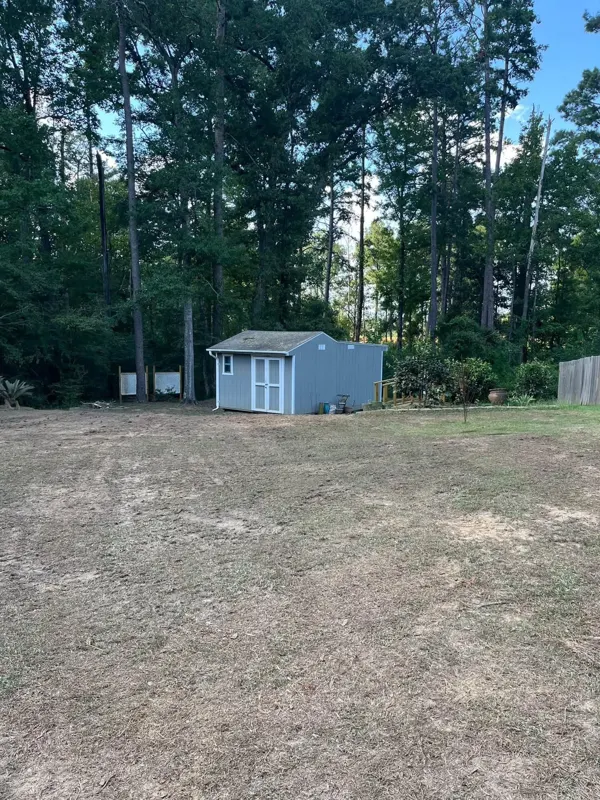
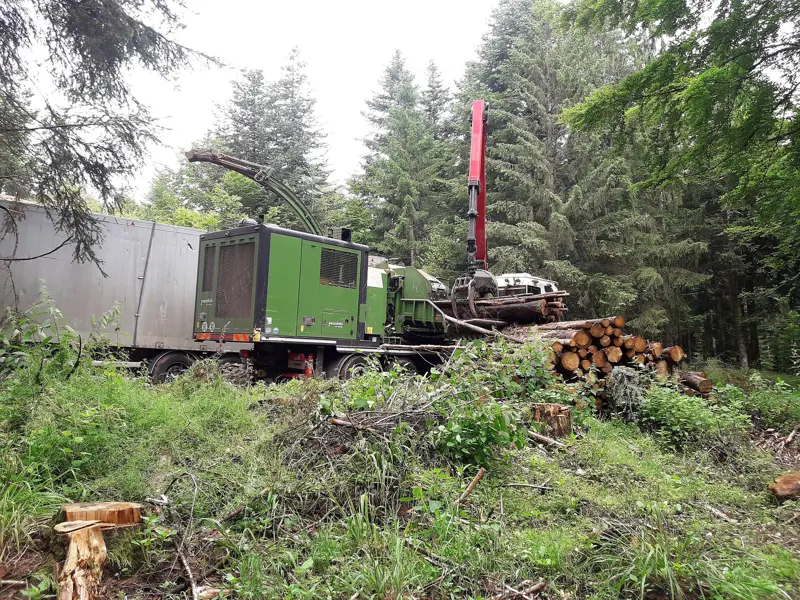
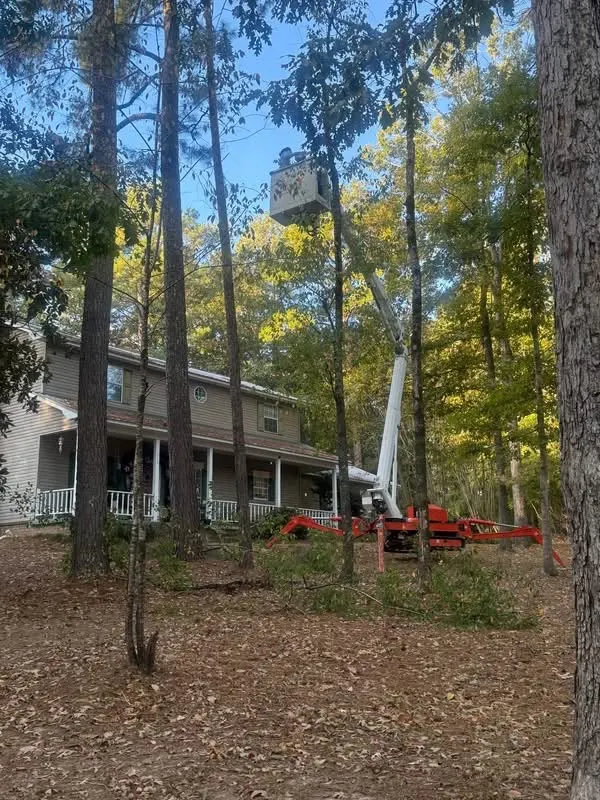
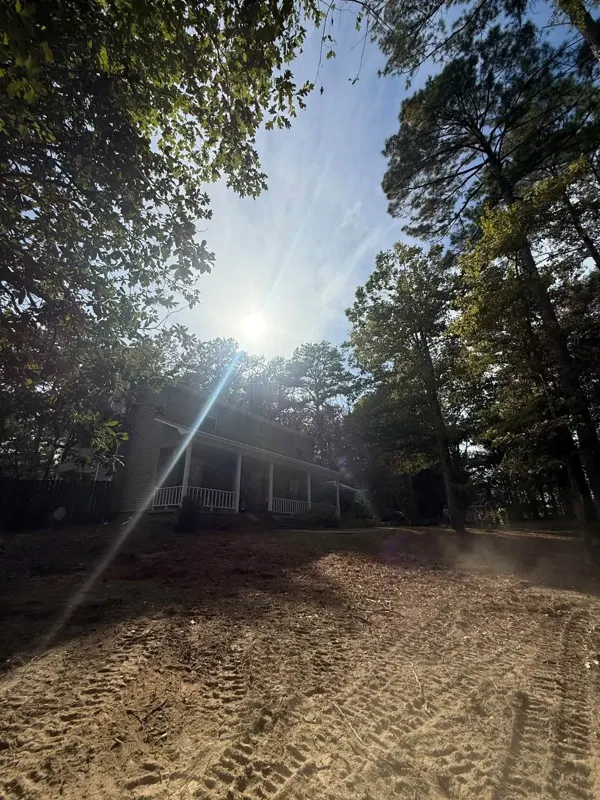
Selective clearing keeps good trees and removes brush and weak ones. Forestry mulching grinds brush in place. Full clearing removes trees, stumps and roots and grades the ground. Our photos show a wooded lot opened into a yard and graded ground afterward.
02Plan first
Mark trees to keep, check property lines, and think about erosion on slopes. Ask about runoff toward neighbors.
03After clearing
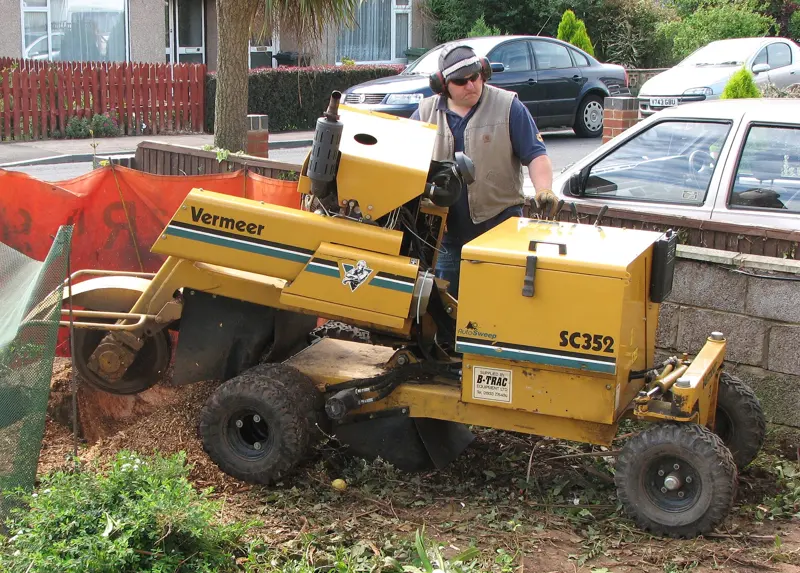
Seed or mulch quickly to hold soil. See stump grinding for leftover stumps.
04Clearing Ozark lots
Rocky ground, cedar thickets and fencerows. Ask about mulching vs hauling and erosion control.
Option compare
Selective clearing versus full clearing
Healthy trees you choose
Nothing standing
Yards and home sites
Large build sites
Which trees stay
Stump and root plan
Clearing Ozark land
Springfield-area factors
Cedar spread
Eastern red cedar invades pastures and fencerows across the Ozarks.
Rocky ground
Chert and limestone affect mulching and grubbing equipment.
Erosion
Sloped lots erode once cleared. Plan for cover and silt control.
Keepers
Mark healthy hardwoods to keep and protect their roots.
Lot rules. Larger projects may need erosion control or permits from the city or county.
Decision help
Making the call
Forestry mulching
Grinds brush in place. Fast and leaves cover on the ground.
Cut and haul
Removes material from the site. Cleaner but more costly.
Selective clearing
Removes only certain trees or sizes.
Cost drivers
Acreage, density, tree size, slope, rock, and haul-off.
Burning
Check local rules and fire danger first.
Before you hire
What to ask
Equipment. Ask what machine they use and how it handles slopes.
Stumps. Ask if stumps are ground, pulled or left.
Erosion. Ask how they protect bare ground.
Keepers. Ask how they mark and protect trees you keep.
Ozark ground
What makes clearing different here
Cedar and brush density
Pasture left alone in the Ozarks fills with cedar, sumac, blackberry and hardwood sprouts within a few years, so the density of brush often drives the time more than the acreage.
Rock at the surface
Chert and limestone at or near the surface wear mulcher teeth and limit grubbing. Crews may leave stumps cut low on rocky ground rather than pulling them.
Slopes and runoff
Hillside lots shed water once the brush is gone. Leaving a mulch layer, seeding quickly and keeping buffers along drainages reduce erosion.
Keepers and wildlife
Mark large healthy oaks and hickories to keep. Leaving some brush piles and snags away from buildings can help wildlife on larger properties.
Decision help
Planning a clearing job
- Building site Clear the pad and drive first, then a buffer around the house for fire safety and sun. Keep trees you want well away from trenching for utilities and septic.
- Pasture recovery Mulching cedar and brush and then seeding lets the field come back; follow up on sprouts the next year.
- Fencerow Clear a strip wide enough to rebuild the fence, and decide whether trees along the line stay.
Cost drivers
What changes the price (no set rates)
Density. Thick cedar and brush take longer than open woods. Prices are set by the crew after seeing the job.
Tree size. Large hardwoods may need felling before mulching.
Terrain. Slopes, rock and wet ground slow machines.
What leaves. Mulching in place versus hauling material away.
Signs to act now
When to call sooner
Cedar closing in on a house
Dense cedar near buildings is a fire fuel and should be cleared back.
Photos