Serving Springfield & the Ozarks Requests answered by independent local crews

Dead, leaning and hazardous trees

Tree Removal in Springfield, MO

Removal is the right call for dead trees, trees with major structural defects, or trees in the wrong spot. Near houses and lines it is skilled work, done in pieces from the top down.

Call (417) 555-0105 Independent local tree crews · No obligation
Quick quote, about 60 seconds

Get a Springfield Tree Service Quote

Tell us which trees and the concern, and a Springfield tree crew will follow up.

  • Local Springfield crews
  • Written estimate
  • No obligation
Step 1 of 3
What do you need help with?
How soon do you need it?
Where should the tree crew reach you?

Goes to an independent local tree crew. No obligation.

01How a removal works

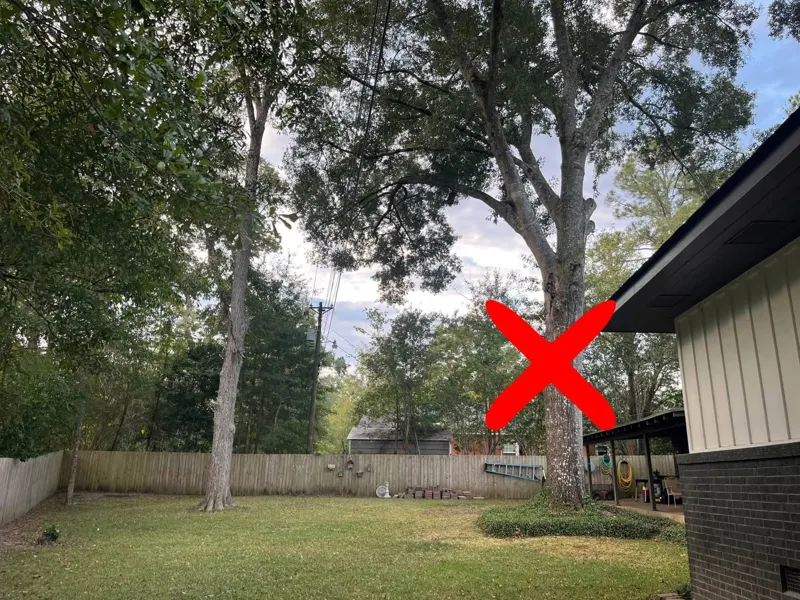
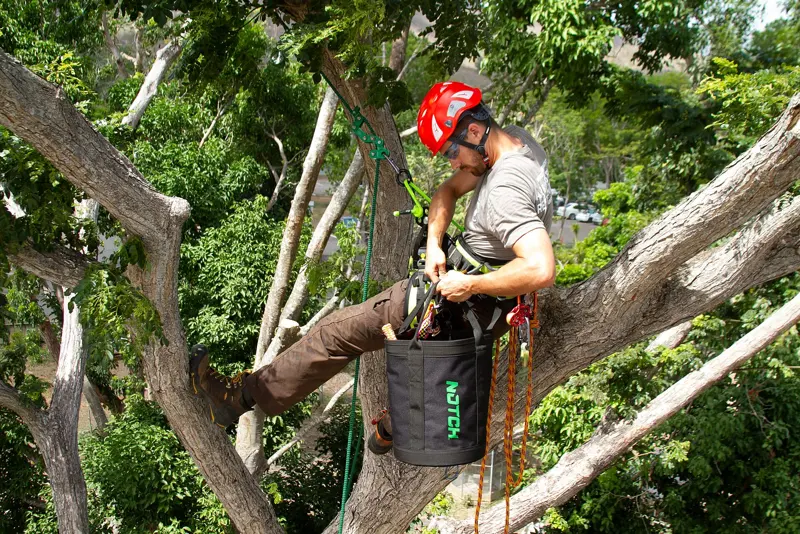
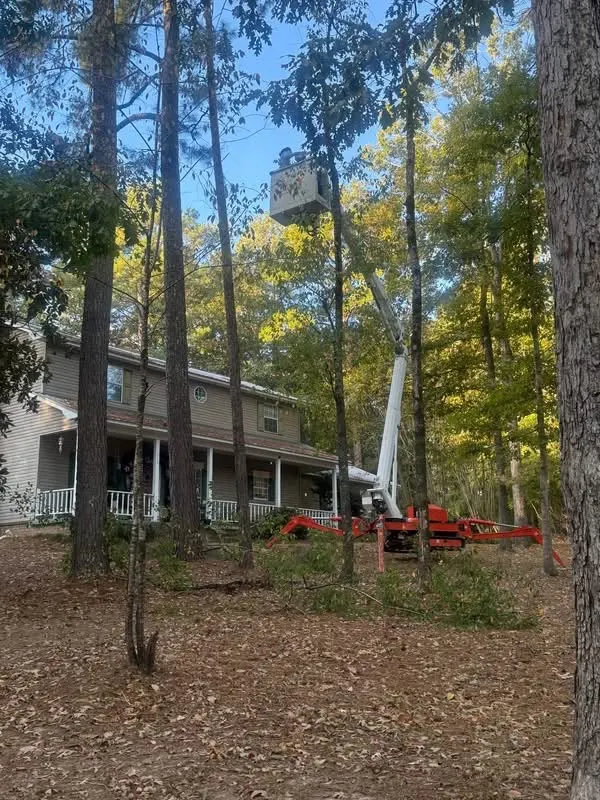
The crew assesses lean, decay and targets, then climbs or uses an aerial lift to take the tree down in sections, lowering heavy pieces with ropes. Open spaces may allow felling in one piece. Our reviewer's photos show a lift setting up and a backyard before and after a removal.
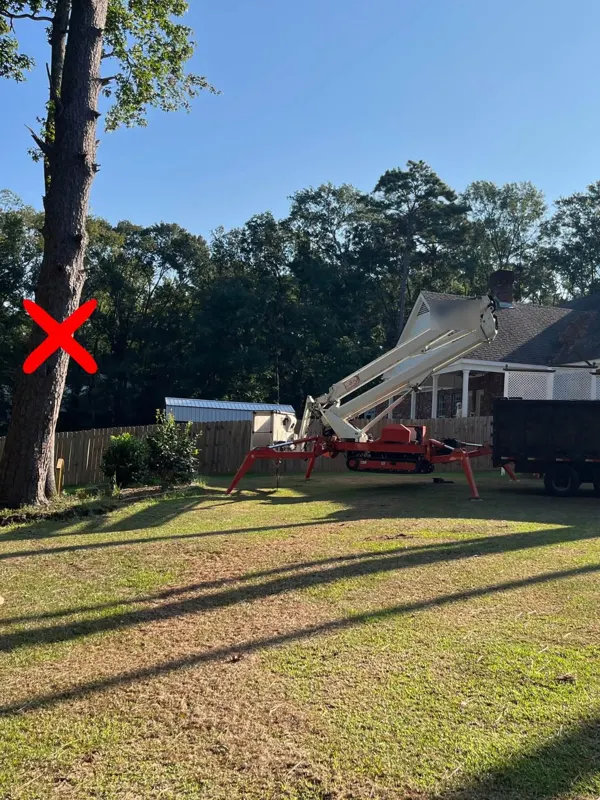
Tracked aerial lift with outriggers set up beside a house, next to a tree marked for removal and a dump trailer

02What is included

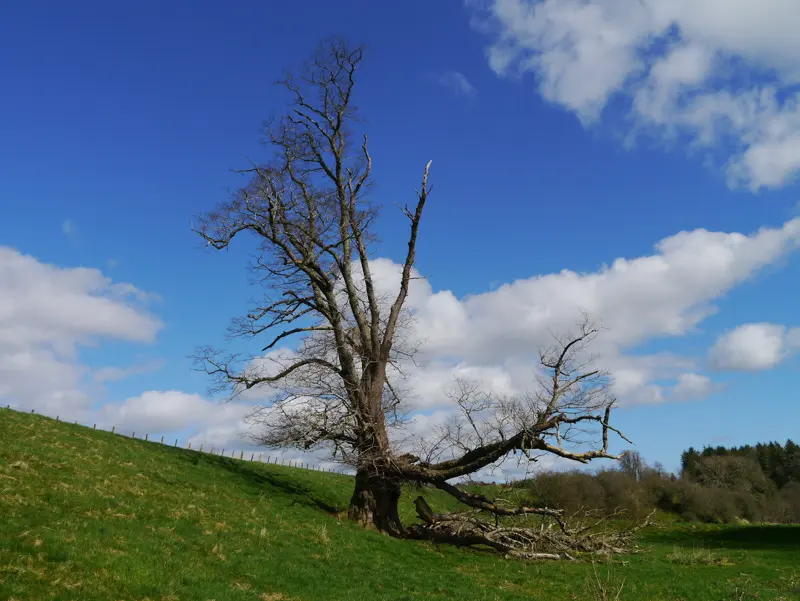
Large tree with broken limbs after a storm

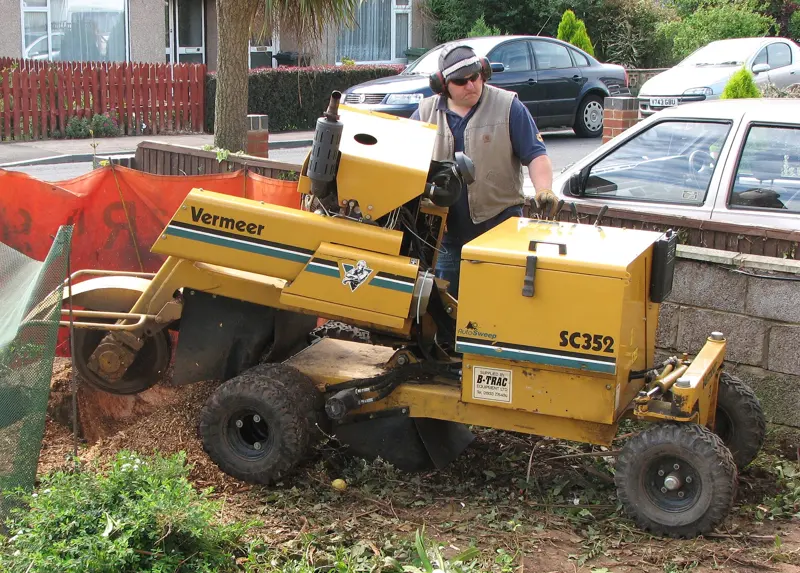
Ask whether the quote covers hauling wood and brush, leaving firewood, and grinding the stump. See stump grinding and debris haul-off.

03Is removal necessary?

Sometimes pruning or cabling saves a tree. A crew or arborist can tell you.

04How removal is planned

Crews assess lean, wood condition and targets below, then fell, section down with ropes, or use a crane. Ask how they will protect the lawn, fence and roof.
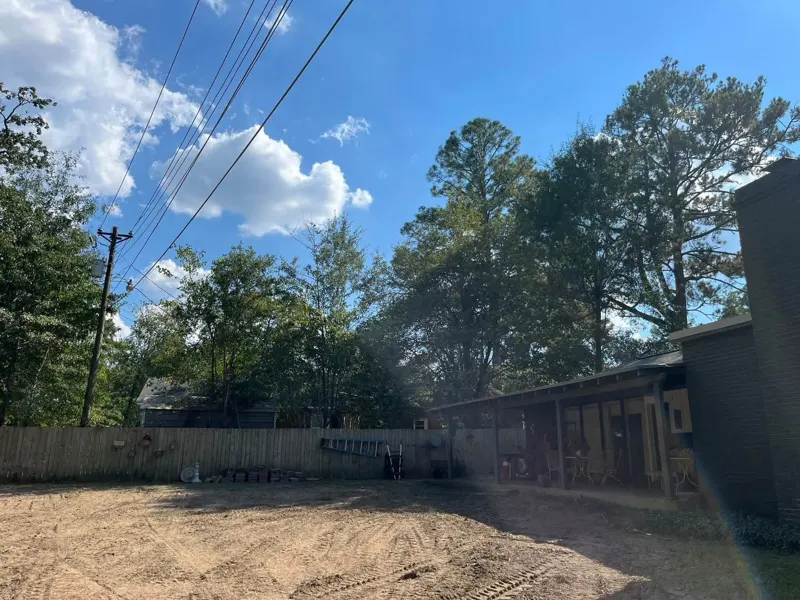
Same fenced backyard after the marked trees were removed and the area cleared

Remove or keep

Signs a tree may need to come down

SignWhat it can mean
Leaning more each yearRoot failure
Fungus at the baseInternal decay
Large dead limbsDecline or storm damage
Cracks in the trunkStructural weakness

Tree removal near Springfield

Springfield-area factors

Storm-weakened trees

After spring storms and ice, trees with split trunks, torn crotches or lifted roots are the most common removals around Springfield.

Thin soil over limestone

Shallow, rocky soil on the Springfield Plateau keeps roots near the surface, so large trees can uproot when the ground is soaked.

Bradford pears

Callery pears split as they age and are listed as invasive by the Missouri Department of Conservation, making them frequent removals.

Emerald ash borer

Emerald ash borer has been confirmed in Missouri. Dying ash trees turn brittle quickly and are dangerous to climb, so earlier removal is safer.

Tight urban lots. Older central Springfield neighborhoods have big trees close to houses, garages and lines, which means sectional removal with rigging.

Decision help

Making the call

Remove now

Large dead limbs over a roof, a crack through the trunk, a new lean with soil heaving, mushrooms at the base, or a tree resting on a line or structure.

Prune instead

The trunk is sound and only certain limbs are a problem: deadwood, branches over the roof, or crossing limbs.

Get an assessment first

Valuable trees with partial dieback or a cavity. An arborist can say whether it is safe to keep.

How the cost is built

Height and trunk size, what is under the tree, whether a crane or climber is needed, access for equipment, stump grinding and haul-off. Prices come after a visit.

Insurance

When a tree hits a house, insurers often cover removal from the structure. Photograph everything and call your insurer before major work if you can.

Before you hire

What to ask

  • Insurance certificates Ask for liability and workers compensation certificates sent from the insurer.
  • Method Ask whether the tree will be felled, taken down in sections, or removed with a crane.
  • Cleanup Ask what is left: logs, chips, sawdust, or a raked lawn.
  • Stump Ask if grinding is included and how deep it goes.

Why trust us

Why Springfield homeowners start here

Crews across Greene and Christian County

Springfield, Nixa, Ozark, Republic and the towns between.

A written cut plan

What comes down, how it comes down, and what gets hauled away, in writing.

Safety around power lines

Tree on a line? Call City Utilities first; our guides explain why.

Licensed, experienced guidance

Our guides are reviewed by Jonathen Green, licensed, with 8+ years in tree work.

Questions

Frequently asked questions

Do I need a permit to remove a tree in Springfield?+

Trees on your own private lot generally do not need a permit, but street trees in the right of way and trees in HOA common areas can be controlled by others. Check before cutting.

Can a tree right next to my house be removed?+

Yes. Climbers take it down in pieces and lower them with ropes, or a crane lifts sections over the house.

Will my lawn be damaged?+

Equipment can leave ruts on soft ground. Ask about mats, dry-weather scheduling and repair.

What happens to the wood?+

It can be hauled, chipped, or left as firewood. Say what you want before work starts.

How do I know if my ash tree should go?+

Thinning canopy, bark splits, woodpecker damage and D-shaped exit holes are signs of borer damage. Infested ash usually should come down before it gets brittle.

Who removes a tree touching a power line?+

Your electric utility makes the line safe first. Tree crews then work on the rest.

Worried about a tree?

Talk to a tree crew that works Springfield yards.

Ready when you are

Request your quote in three short steps

Pick the service, tell us your timing, and add your contact details. A local pro follows up to confirm the details.

  • Crews across Greene and Christian County
  • A written cut plan
  • Safety around power lines
Quick quote, about 60 seconds

Get a Springfield Tree Service Quote

Tell us which trees and the concern, and a Springfield tree crew will follow up.

  • Local Springfield crews
  • Written estimate
  • No obligation
Step 1 of 3
What do you need help with?
How soon do you need it?
Where should the tree crew reach you?

Goes to an independent local tree crew. No obligation.

Call (417) 555-0105