01Services
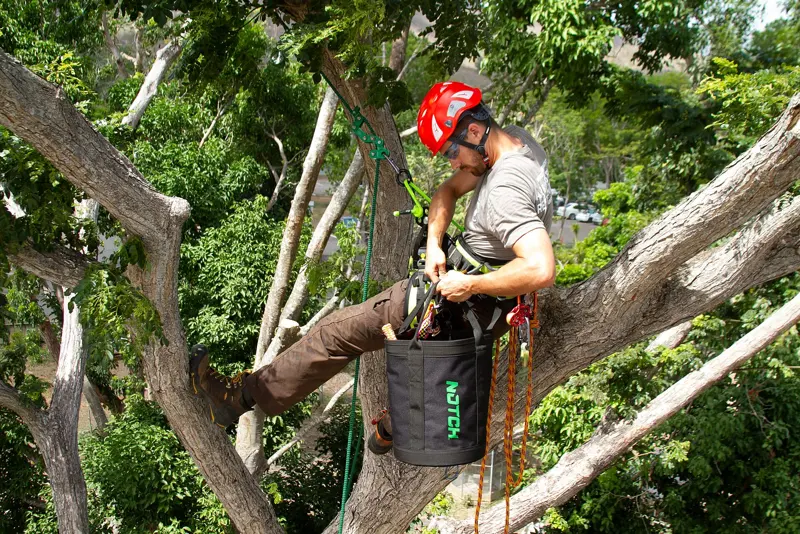
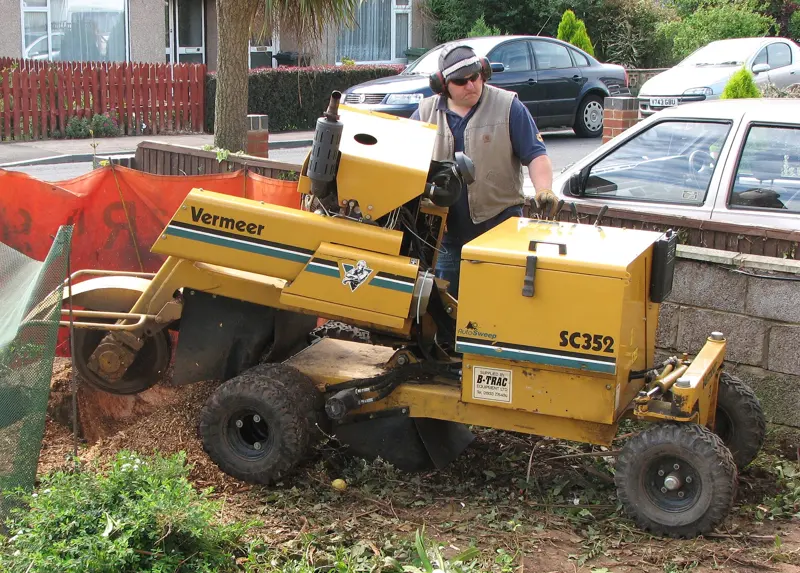
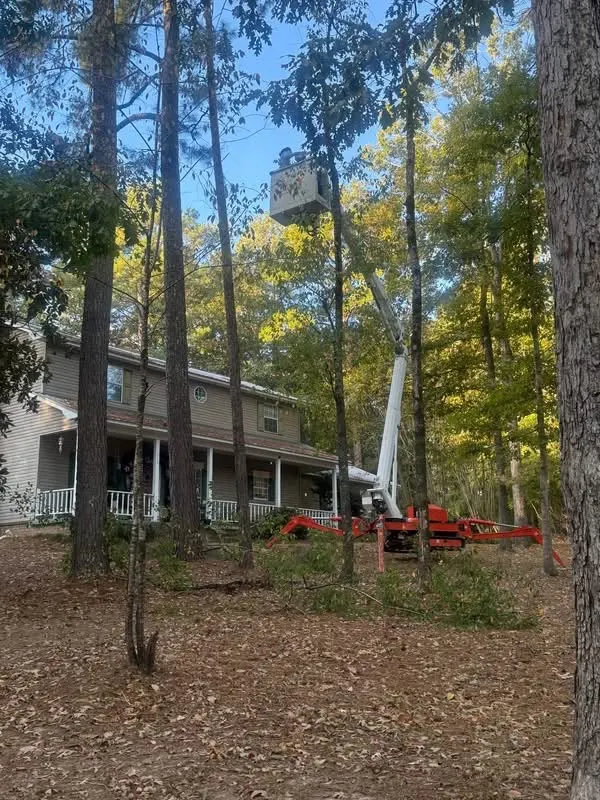
Hedge shaping, renewal pruning of old shrubs, removal of dead or overgrown plants and root grinding.
02Timing
Prune spring-flowering shrubs after bloom; summer bloomers in late winter.
03With tree work
Combine with tree trimming and pruning to save a trip.
04Shrubs and hedges
Shaping, renewal pruning and removal of overgrown shrubs.
Shrub care by type
Care notes by shrub type
| Shrub | Usual care |
|---|---|
| Spring bloomers | Trim right after flowers fade |
| Summer bloomers | Trim in late winter |
| Evergreens | Light shaping, avoid bare wood |
| Overgrown | Renewal cuts over a few years |
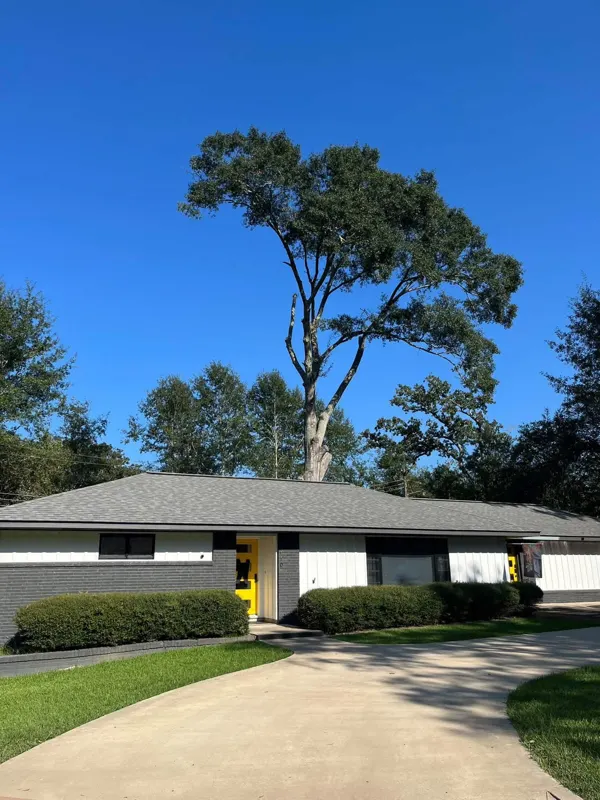
Shrubs in the Ozarks
Springfield-area factors
Hot summers
Shrubs stress in hot, dry spells. Avoid heavy pruning in midsummer.
Invasive bush honeysuckle
Bush honeysuckle invades Missouri yards and woods and is a common removal.
Foundation plantings
Overgrown shrubs against the house hold moisture.
Winter damage
Ice can split shrubs; prune after damage.
Bloom timing
Prune spring bloomers after they flower.
Decision help
Making the call
Shape
Light trims to keep size.
Renew
Cut oldest stems to the ground over a few years.
Remove
Shrubs that are dead, invasive, or too big for the space.
Replace
Pick shrubs that fit the space at full size.
Cost drivers
Number, size, access, and haul-off.
Before you hire
What to ask
- Timing
- Ask when they plan to prune flowering shrubs.
- Method
- Ask if they shear or hand prune.
- Removal
- Ask if roots are removed.
- Cleanup
- Ask if clippings are hauled.
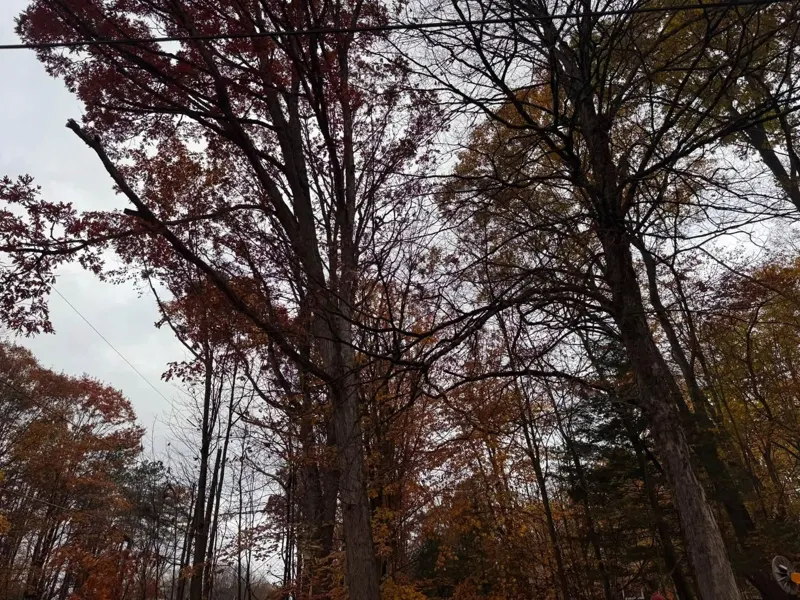
Ozark yards
Shrub problems common around Springfield
Bush honeysuckle takeover
Amur and other bush honeysuckles leaf out early, shade out native plants and spread into fencerows and wooded lots. Cutting stems and treating stumps, or pulling small plants, is the usual approach recommended in Missouri invasive plant guides.
Overgrown foundation shrubs
Hollies, junipers and boxwoods planted against older Springfield houses often grow over windows and hold moisture against siding. Renewal pruning or replacement gives the wall air and light.
Ice and snow splits
Multi-stem shrubs like arborvitae can splay open under ice. Tying or cutting back broken stems in early spring helps them recover.
Summer heat and drought
Hot, dry spells scorch shallow-rooted shrubs. Heavy pruning in midsummer adds stress, so most shaping is better left to cooler weather.
Shrubs that became trees. Old privet, cedar or burning bush hedges can grow taller than the house. At that size, removal and replanting is often simpler than trying to cut them back.
Decision help
Trim, renew or replace?
Trim. The shrub is healthy and only a bit too big. A light trim keeps it in shape without losing flowers if timed after blooming.
Renew. The shrub is woody and bare inside. Cutting a third of the oldest stems to the ground each year for three years brings new growth from the base.
Replace. The shrub is invasive, dead in large sections, or far too big for the spot. Choose a plant that fits the space at its mature size.
Cost drivers
What changes the price (no set rates)
Count and size
How many shrubs and how tall they are. Prices are set by the crew after seeing the job.
Access
Shrubs behind fences or on slopes take longer.
Removal
Pulling roots costs more than cutting at ground level.
Haul-off
Whether clippings and stems leave the site.
Signs to act now
When to call sooner
- Shrubs covering windows or walks Overgrowth blocks views and exits and should be cut back before it hides hazards.
- Brown, dead sections Large dead areas after winter or drought rarely fill back in.
- Honeysuckle spreading Each year of growth makes removal harder, so earlier is easier.
Photos